


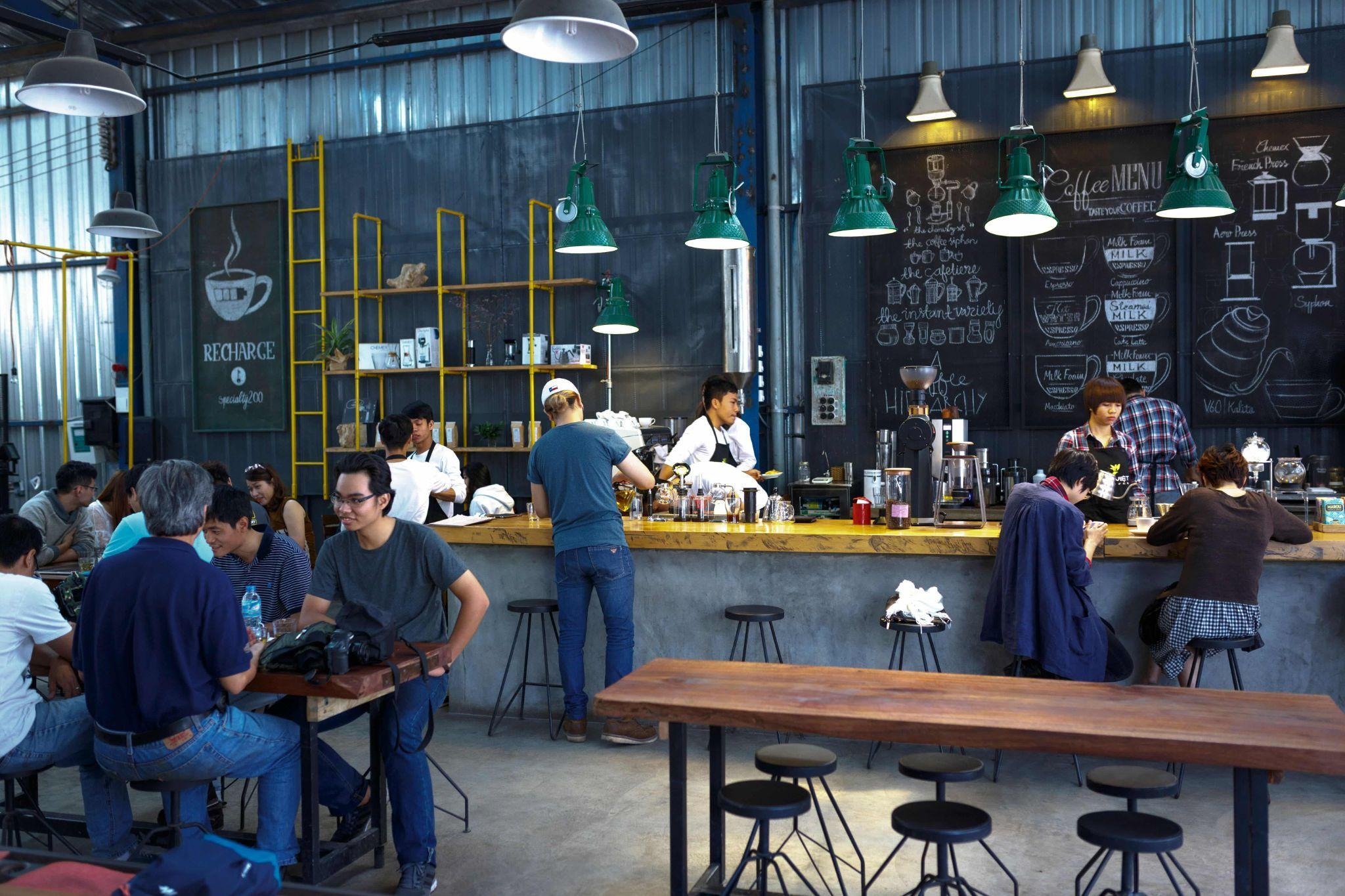
Running a coffee shop takes more than pulling a decent espresso shot. Customers keep a quiet tally of things you’d barely notice, like how long they stood behind someone ordering six lattes for the office, or whether that loyalty card has ever gotten them a free coffee. Knowing what people expect won’t guarantee a queue out the door. It might explain why the place across the road has one, and you don’t.

What Do Customers Value Most During a Coffee Shop Visit?
Quality and consistency. Ask most people, and that’s where they start.
Consistency is the one that trips shops up. If someone nips in for a flat white on Monday and loves it, Friday’s had better taste the same. They won’t want to hear that the weekend staff were covering. Beyond that it’s fairly ordinary stuff: a friendly face, WiFi that doesn’t drop halfway through an email, and staff who know the local regulars. Remembering that someone takes oat milk and an extra shot goes a long way.
Cleanliness is less forgiving. One sticky table, or a milk jug with a crust around the spout, and weeks of goodwill go in seconds.
How Does Ambience Shape the Coffee Shop Experience?
More than most owners would admit. People don’t come back for the coffee alone. They come back to a room they liked sitting in.
Lighting is a fair test. The same space has to work for someone squinting at a laptop at nine and two mates catching up at three. Seating’s similar, because the mix matters as much as the number of chairs. Some people want the corner table by the radiator, and others head straight for a stool at the window. Quite a few just want a place to sit for ten minutes before the bus. Keep the music low enough that nobody’s talking over it. Temperature and step-free access usually get sorted last, if at all. That’s not great when every visitor should be comfortable, not just the able-bodied majority.
What Do Customers Expect Beyond the Drink Itself?
Food, for a start. It rarely gets the credit. A decent pastry cabinet, a proper sandwich that hasn’t been sweating in cling film since seven, and a couple of options for different diets often turn one coffee into a second order.
Pricing is where it gets awkward. With everything else costing more, people think harder about what counts as good value, and a £4 latte gets looked at differently than it did five years ago. That’s where tip prompt fatigue comes in. You grab a coffee on the way to work, tap your card, and the reader swings round asking for 10, 15 or 20 percent. On a takeaway. Most people won’t say anything. They’ll press “no tip,” feel slightly awkward, and remember it. Shops that use prompts sparingly, or keep them optional and discreet, tend to hang on to their goodwill. The rest are slowly spending it.
Community is the slower win. Bread from the bakery round the corner, the odd seasonal event, 20p off for a reusable cup, and packaging that actually goes in the right bin. None of it’s dramatic, but it’s the kind of thing that gets someone walking past the chain and into an independent.
What Frustrates Customers Most About Their Coffee Shop Visits?
The morning rush, mainly. A long queue looks good from behind the counter. It looks less good to someone with a train to catch.
After that, it’s wanting to stay a while and finding every seat gone, often to one person, one laptop, and a table for four. Inconsistency comes up a lot too. A lovely cappuccino on Tuesday and a thin, lukewarm one on Wednesday, and people start wondering whether it’s worth the detour. Then there are the gaps on the menu: no oat milk, no decaf after lunch, nothing gluten-free. Those cost you regulars you never knew you had, and there are more of them every year.
How Can British Coffee Shops Put This Into Practice?
Start with your own shop, ideally on a day you’re not on the till. Time the queue at peak. Ask staff what people keep asking for that you can’t do, because they’ll usually have a list. Then sit in a corner and watch how the place gets used over a full day. It feels a bit odd, but you’ll spot things you’ve walked past for months.
Most of the fixes are small. Baristas saying hello to regulars by name. Optimising the tipping screen. A second milk alternative. They add up quicker than you’d think.
Keep listening to the people who come in every day. At some point, you stop being the nearest option and become the one people go out of their way for!
