


Choosing a dental filling may seem like a simple decision, but several factors can influence the treatment you receive. From the size of the cavity to the material used, understanding your options can help you make an informed choice. Knowing what to expect before visiting a dentist can also make the experience less stressful and help you plan for future dental care.
One of the first things patients often consider is the overall treatment expense. However, cost should not be the only factor guiding your decision. Finding a qualified professional, understanding the available filling materials, and discussing your dental needs are equally important. If you are searching for a recommended dental clinic near me, look for a practice that explains treatment options clearly, answers your questions patiently, and provides a transparent estimate before beginning the procedure.

1. Understand the Condition of Your Tooth
The condition of your tooth plays a major role in determining the appropriate filling. A small cavity may require a straightforward restoration, while a larger area of decay could need a more extensive procedure.
Your dentist will examine the affected tooth and may recommend dental X-rays when necessary to understand the extent of the problem. This assessment helps determine whether a filling is suitable or whether another treatment may be needed.
Factors that can influence the treatment plan include:
- The size and depth of the cavity
- The location of the affected tooth
- The amount of healthy tooth structure remaining
- Whether the tooth is cracked or damaged
- The presence of pain or sensitivity
Discussing these details with your dentist helps you understand why a particular treatment is recommended.
2. Compare Different Filling Materials
Dental fillings are available in several materials, and each has its own advantages. The right option depends on the tooth’s location, the size of the cavity, your preferences, and your dentist’s professional assessment.
Composite Resin
Composite resin fillings are tooth-coloured, allowing them to blend naturally with surrounding teeth. They are commonly used for visible teeth and can also be suitable for certain back teeth. Their appearance makes them a popular choice for patients who prefer a natural-looking result.
Amalgam
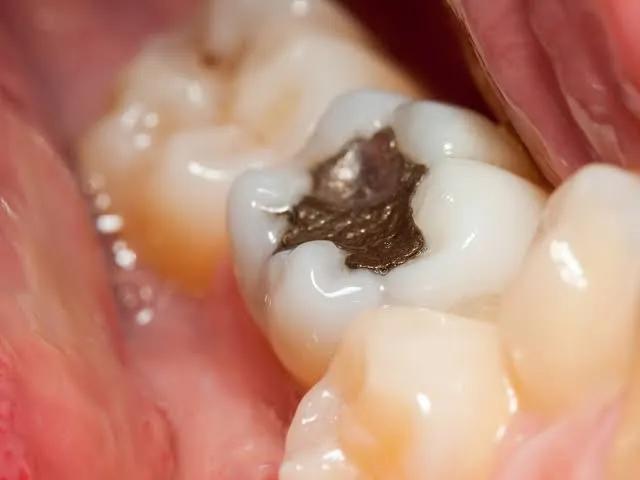
Amalgam fillings have a silver appearance and have traditionally been used for restoring back teeth. Their suitability depends on individual circumstances, material availability, and current dental recommendations. Patients should discuss the benefits and limitations with their dentist.
Ceramic Fillings
Ceramic restorations, often made from porcelain, can provide an attractive appearance and good durability. They may be recommended for particular cases, although their cost and preparation requirements can differ from those of other materials.
Glass Ionomer
Glass ionomer materials release fluoride and may be useful in selected situations, including some restorations near the gumline. However, they may not be the best choice for every tooth or every chewing surface.
Ask your dentist which material best suits your dental needs rather than choosing solely on appearance or price.
3. Consider the Factors That Affect Treatment Costs
The cost of a dental filling varies because every patient’s situation is different. The type of material is one consideration, but it is not the only one. The size of the restoration, the tooth being treated, the complexity of the procedure, and the clinic’s fees can all affect the final amount.
If you are researching How Much Do Dental Fillings Cost, ask the dental clinic for a breakdown of the expected charges. This can help you compare treatment options fairly and avoid unexpected expenses.
Common cost factors include:
- Filling material: Different materials have different prices and preparation requirements.
- Cavity size: Larger restorations may require more material and additional clinical work.
- Tooth location: Restoring a difficult-to-reach tooth may involve greater complexity.
- Additional procedures: X-rays, examinations, or other necessary treatment may add to the overall bill.
- Clinic fees: Prices can vary depending on location, equipment, and the services provided.
A clear estimate allows you to understand what is included before you agree to treatment.
4. Ask About Durability and Maintenance
A filling should restore the tooth’s function while helping protect it from further damage. However, no filling lasts forever. Its lifespan depends on the material, the size and location of the restoration, your oral hygiene habits, and everyday chewing forces.
Ask your dentist how long your recommended filling might reasonably last and what care it requires. You should also understand whether certain foods or habits could increase wear or damage.
To help maintain your filling:
- Brush twice daily with fluoride toothpaste.
- Clean between your teeth regularly.
- Limit frequent sugary snacks and drinks.
- Avoid chewing very hard objects.
- Attend routine dental checkups as advised.
If a filling becomes loose, breaks, or causes persistent discomfort, contact your dentist for an assessment.
5. Evaluate the Dentist’s Experience and Communication
A suitable filling depends on both the treatment plan and the professional providing it. Choose a licensed dental professional who explains the procedure, discusses reasonable alternatives, and answers questions without rushing you.
Before treatment, consider asking:
- Why is this filling material appropriate for my tooth?
- Are there suitable alternatives?
- What will the procedure involve?
- What discomfort or sensitivity might occur afterward?
- What will the treatment cost, including any additional charges?
Clear communication helps you understand your choices and feel more comfortable throughout the process. A trustworthy dentist should also explain when a filling may not be enough to restore a damaged tooth.
6. Think About Comfort and Convenience
Dental treatment can feel unfamiliar, particularly if you have not had a filling before. Practical considerations, such as appointment availability, clinic accessibility, and the way staff communicate, can make the experience easier.
If you feel nervous about dental procedures, tell your dentist before treatment begins. They can explain the steps, discuss ways to manage discomfort, and give you opportunities to ask questions. Understanding what will happen can help reduce uncertainty.
It is also useful to ask how long the appointment may take and whether you will need a follow-up visit.
7. Review Payment Options and Coverage
Before making a final decision, ask whether the clinic accepts your dental insurance or offers payment arrangements. Coverage can vary depending on your plan, the filling material, and the treatment required.
Request written details about what your plan may cover and what you will need to pay yourself. If you are paying privately, ask for an itemised estimate and clarify whether examinations, X-rays, and follow-up appointments are included.
Remember that the lowest initial price may not always represent the most appropriate option. Consider the quality of care, suitability of the material, and your dentist’s recommendations alongside affordability.
Conclusion
Choosing a dental filling involves more than comparing prices. Consider your tooth’s condition, available materials, durability, professional guidance, comfort, and payment options. Ask questions and review the estimate before treatment. An informed decision can help you protect your oral health, restore everyday function, and feel more confident about your dental care.
