


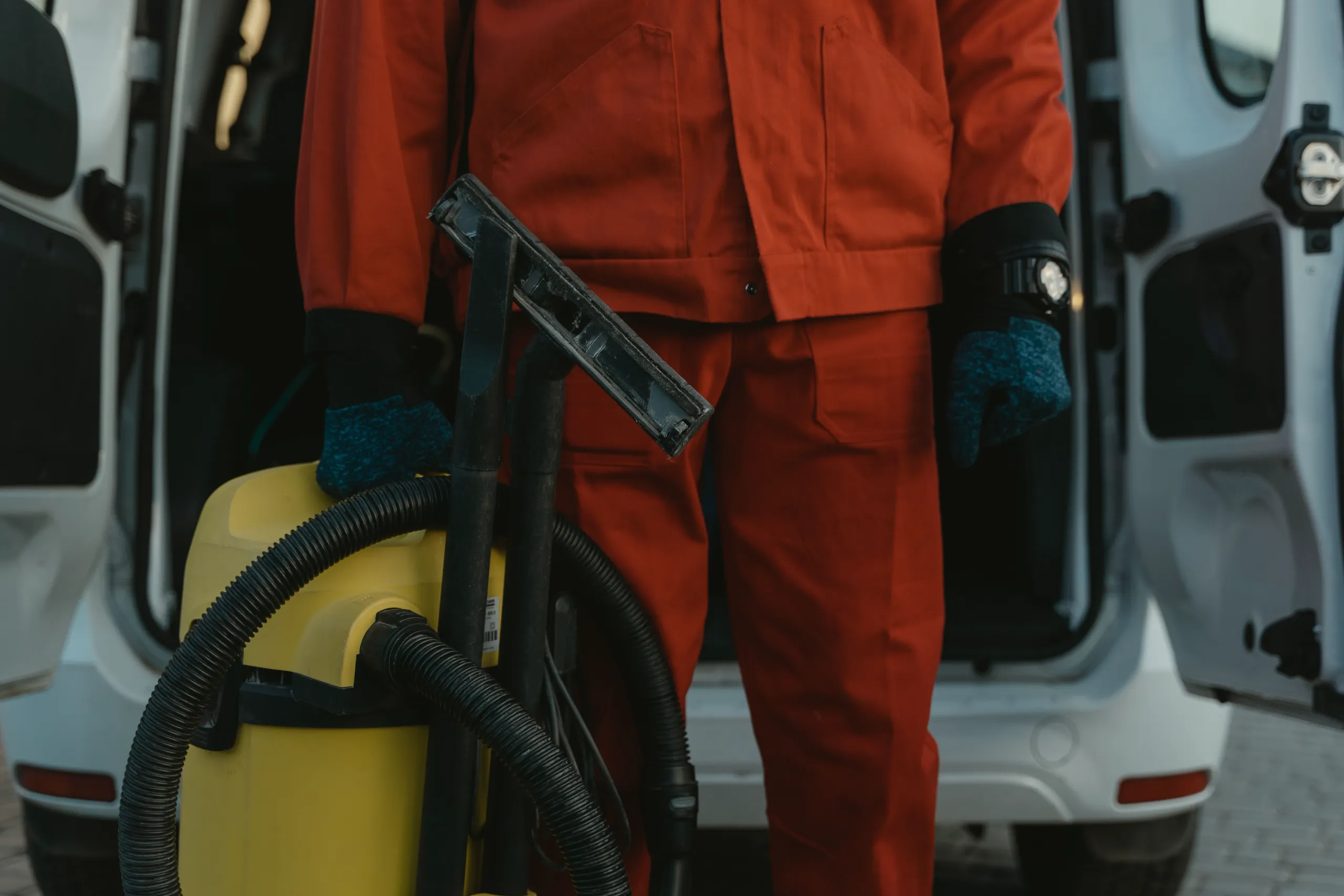
Maintaining a clean commercial space is essential for creating a professional environment, protecting employee health, and making a positive impression on customers and visitors. Whether you manage an office, retail store, restaurant, warehouse, or large commercial building, cleanliness plays an important role in daily operations.
However, many businesses make common commercial cleaning mistakes that can affect workplace hygiene, damage surfaces, and create unnecessary expenses. Simply wiping down visible surfaces is not enough to maintain a consistently clean and healthy environment. Businesses need a proper cleaning strategy, the right equipment, and trained staff to ensure every area receives the attention it needs.
In this guide, we will explore the most common commercial cleaning mistakes businesses should avoid and explain how professional cleaning practices can help maintain a cleaner, safer, and more welcoming workplace.

1. Not Having a Proper Cleaning Schedule
One of the most common commercial cleaning mistakes is operating without a structured cleaning schedule. When cleaning tasks are performed randomly, important areas may be overlooked, while other spaces receive unnecessary attention.
For example, high-traffic areas such as reception desks, restrooms, break rooms, and entrances often require frequent cleaning. Meanwhile, less frequently used storage rooms may need a different cleaning schedule.
Without a clear plan, employees may not know which tasks need to be completed daily, weekly, or monthly.
How to avoid this mistake:
Create a detailed cleaning schedule based on your business’s size, industry, and daily foot traffic. Divide tasks into daily, weekly, and monthly responsibilities. Assign specific duties to cleaning staff and use checklists to track completed work.
A consistent cleaning plan helps businesses maintain hygiene standards, reduce missed tasks, and keep commercial spaces looking professional.
2. Ignoring High-Touch Surfaces
High-touch surfaces are among the most frequently overlooked areas in commercial buildings. These surfaces are handled by employees, customers, and visitors throughout the day, making regular cleaning and appropriate disinfection important.
Common high-touch surfaces include:
- Door handles and push plates
- Light switches
- Elevator buttons
- Shared keyboards and telephones
- Reception counters
- Handrails
- Shared office equipment
If these areas are neglected, dirt and germs can accumulate, potentially increasing the spread of illness in shared environments.
How to avoid this mistake:
Identify frequently touched surfaces throughout your facility and include them in your daily cleaning routine. Use suitable cleaning and disinfecting products according to the manufacturer’s instructions, including the required contact time for disinfectants.
Regular attention to these surfaces helps support a healthier workplace and demonstrates a commitment to employee and visitor well-being.
3. Using the Wrong Cleaning Products
Not every cleaning product is suitable for every surface. Using the wrong chemicals can damage flooring, furniture, countertops, glass, and other commercial fixtures.
For instance, an abrasive cleaner may scratch delicate surfaces, while an unsuitable chemical can leave residue on floors or damage protective coatings. Mixing cleaning chemicals can also produce dangerous fumes.
Choosing products based only on price or availability may lead to additional maintenance costs and safety risks.
How to avoid this mistake:
Select cleaning products according to the material being cleaned and the type of dirt or contamination involved. Always follow product labels and manufacturer recommendations.
Train cleaning staff to understand chemical safety, dilution requirements, storage procedures, and appropriate personal protective equipment. Never mix cleaning chemicals unless the product instructions explicitly permit it.
Using the correct products helps protect commercial property while delivering better cleaning results.
4. Focusing Only on Visible Dirt
A commercial space may look clean at first glance while still containing dust, grime, and buildup in less noticeable areas. Cleaning only what customers and employees can easily see often results in inconsistent hygiene.
Areas commonly missed include:
- Spaces beneath desks and office furniture
- Corners and floor edges
- Air vents and accessible ceiling fixtures
- Behind appliances
- Baseboards and door frames
- Upholstered furniture and fabric partitions
Dust and debris can accumulate in these areas over time, making the workplace appear poorly maintained.
How to avoid this mistake:
Include detailed cleaning tasks in your regular maintenance plan. Move accessible furniture when necessary, clean neglected corners, and schedule periodic deep cleaning for areas that do not receive attention during daily maintenance.
A thorough commercial cleaning routine addresses both visible and hidden dirt, helping businesses maintain a consistently professional environment.
5. Neglecting Restroom Cleaning
Restrooms require special attention because they experience frequent use and can quickly develop unpleasant odors, stains, and hygiene problems.
Failing to clean toilets, sinks, mirrors, floors, and frequently touched fixtures can create an uncomfortable experience for employees and visitors. Empty soap dispensers, missing paper towels, and overflowing bins can also reflect poorly on a business.
How to avoid this mistake:
Establish a restroom cleaning checklist that covers all essential tasks, including cleaning and disinfecting appropriate surfaces, replenishing supplies, removing waste, and checking for leaks or maintenance problems.
The frequency of cleaning should reflect restroom usage. Busy offices, shopping centers, restaurants, and other high-traffic facilities may require multiple checks throughout the day.
Keeping restrooms clean and properly stocked contributes to a better experience for everyone who uses the facility.
6. Using the Same Cleaning Cloths Across Different Areas
Using the same cloth or cleaning equipment in restrooms, kitchens, and office spaces can transfer dirt and microorganisms between different areas.
For example, using a restroom cleaning cloth on a break-room counter can create unnecessary contamination risks. Even when cleaning products are effective, poor equipment-handling practices can undermine the cleaning process.
How to avoid this mistake:
Use a color-coded cleaning system or another clearly defined method to separate equipment by area and purpose. Keep restroom tools separate from kitchen and general office cleaning supplies.
Wash reusable cloths properly, replace disposable materials as needed, and clean equipment according to manufacturer guidelines.
These simple procedures help reduce cross-contamination and improve the overall quality of commercial cleaning service.
7. Overlooking Floors and Carpets
Commercial floors receive constant foot traffic, which brings in dust, dirt, moisture, and debris. If floors are not maintained properly, they can become stained, worn, and potentially slippery.
Carpets can also trap dust, allergens, and particles that ordinary vacuuming may not completely remove. Hard floors may develop residue or lose their appearance when unsuitable products are used.
How to avoid this mistake:
Choose a floor maintenance routine based on the flooring material and level of use. Sweep or vacuum regularly, clean spills promptly, and use appropriate mopping methods.
Schedule periodic carpet cleaning and deeper floor maintenance when necessary. Businesses with entrances exposed to outdoor dirt should also consider suitable entry mats to reduce the amount of debris brought inside.
Consistent floor care helps maintain a professional appearance, extend the life of flooring materials, and reduce avoidable maintenance costs.
8. Hiring Untrained Cleaning Staff
Commercial cleaning requires more than basic cleaning knowledge. Staff must understand equipment operation, chemical safety, surface care, cleaning procedures, and workplace safety requirements.
Untrained workers may use incorrect techniques, overlook important areas, waste supplies, or accidentally damage expensive equipment and furnishings.
Poor training can also lead to inconsistent results across different shifts or locations.
How to avoid this mistake:
Provide cleaning staff with clear instructions and practical training. Explain how to use cleaning equipment, handle chemicals safely, follow checklists, and identify areas requiring specialized care.
Regular supervision and performance reviews can help maintain consistent standards. Businesses can also consider hiring a professional commercial cleaning company with trained personnel and established cleaning procedures.
Proper training improves efficiency, protects workplace assets, and helps ensure that cleaning tasks are completed correctly.
9. Using Too Much or Too Little Cleaning Product
Incorrect chemical quantities can reduce cleaning effectiveness and create additional problems. Using too little product may fail to remove certain types of dirt, while using too much can leave sticky residue, damage surfaces, or increase costs.
Excessive chemical use may also create unnecessary exposure risks for cleaning staff and building occupants.
How to avoid this mistake:
Follow the manufacturer’s instructions for product dilution and application. Use appropriate measuring equipment when dilution is required, and avoid guessing quantities.
Make sure cleaning staff understand the difference between cleaning and disinfecting. Cleaning removes dirt and impurities, while disinfecting uses appropriate products to inactivate certain microorganisms under specified conditions.
Using the right amount of product helps achieve effective results while controlling costs and supporting workplace safety.
10. Forgetting to Clean Break Rooms and Shared Kitchens
Break rooms and shared kitchens can become dirty quickly because multiple employees use the same counters, appliances, sinks, tables, and refrigerators.
Food spills, crumbs, grease, and overflowing waste bins can attract pests and create unpleasant odors. Neglected appliances and shared food-storage areas may also become difficult to maintain.
How to avoid this mistake:
Clean counters, sinks, tables, and frequently touched appliance handles regularly. Remove waste, clean spills promptly, and follow appropriate procedures for maintaining refrigerators and other shared appliances.
Businesses should establish clear responsibilities for routine maintenance while ensuring that cleaning staff handle the scheduled cleaning tasks.
A clean break room supports employee comfort and helps maintain a hygienic workplace.
11. Ignoring Safety Procedures During Cleaning
Cleaning activities can create hazards if proper safety procedures are ignored. Wet floors, improperly stored chemicals, blocked walkways, and poorly maintained equipment can increase the risk of workplace accidents.
Businesses may also disrupt daily operations when cleaning takes place without appropriate planning.
How to avoid this mistake:
Place wet-floor signs in visible locations whenever necessary, secure cleaning equipment, and store chemicals safely. Ensure walkways and emergency exits remain unobstructed.
Schedule cleaning during suitable periods to minimize disruption. For example, certain deep-cleaning tasks may be easier to complete after business hours or during low-traffic periods.
Following appropriate safety procedures protects cleaning staff, employees, customers, and visitors.
12. Choosing a Cleaning Service Based Only on Price
Selecting the cheapest commercial cleaning provider may appear to be a cost-effective decision, but price alone does not guarantee quality.
A provider with limited training, inadequate equipment, or an inconsistent cleaning schedule may leave important areas unattended. Businesses may then need additional cleaning, repairs, or replacement services.
The real cost of cleaning should include reliability, service quality, safety, and the long-term maintenance of commercial property.
How to avoid this mistake:
Evaluate cleaning providers based on their experience, staff training, service scope, quality-control procedures, and ability to meet your facility’s needs.
Ask for a clear breakdown of included services and cleaning frequency. Check references or reviews where available, and confirm how the provider handles quality concerns.
Choosing a reliable commercial cleaning partner can help businesses maintain consistent standards and manage their facilities more effectively.
13. Failing to Inspect Cleaning Results
Even when a cleaning schedule exists, businesses may experience inconsistent results if no one checks the completed work.
Without inspections, missed tasks, recurring problems, and declining cleaning standards can go unnoticed. This may affect employee satisfaction and the impression a business makes on visitors.
How to avoid this mistake:
Introduce a straightforward quality-control process. Use inspection checklists, review frequently used areas, and encourage employees to report recurring cleanliness issues.
Cleaning supervisors or facility managers should periodically inspect the premises and communicate any required improvements to the cleaning team.
Regular inspections help identify problems early and ensure that cleaning services continue to meet the business’s expectations.
Benefits of Avoiding Commercial Cleaning Mistakes
Improving commercial cleaning practices offers several long-term benefits for businesses.
A healthier workplace: Appropriate cleaning procedures help reduce dirt buildup and support better hygiene in shared spaces.
A professional business image: Clean offices, restrooms, floors, and reception areas create a more welcoming environment for customers, employees, and visitors.
Lower maintenance expenses: Proper cleaning techniques help protect furniture, flooring, equipment, and other commercial assets from avoidable damage.
Improved employee comfort: A clean and organized workplace can contribute to a more pleasant working environment.
Greater operational efficiency: A structured cleaning schedule helps staff complete tasks consistently while reducing unnecessary work and supply waste.
More reliable cleaning standards: Training, checklists, and inspections make it easier to identify problems and maintain consistent results.
Conclusion
Commercial cleaning plays a vital role in maintaining a safe, welcoming, and professional business environment. However, mistakes such as neglecting high-touch surfaces, using incorrect cleaning products, overlooking hidden dirt, and failing to train staff can reduce cleaning effectiveness and increase operating costs.
Businesses can avoid these problems by developing a structured cleaning schedule, selecting suitable products, following safety procedures, and regularly inspecting cleaning results. For larger facilities or businesses with demanding cleaning requirements, working with an experienced commercial cleaning provider can make maintaining these standards easier.
If your business needs a dependable solution for maintaining a clean and professional workspace, Kokoro Cleaning can help you explore commercial cleaning services tailored to your facility’s needs. Visit Kokoro Cleaning to learn more about cleaning solutions for businesses in Las Vegas and Henderson, Nevada.
A consistent approach to commercial cleaning helps protect your property, improve the workplace experience, and create a positive impression every day.
