


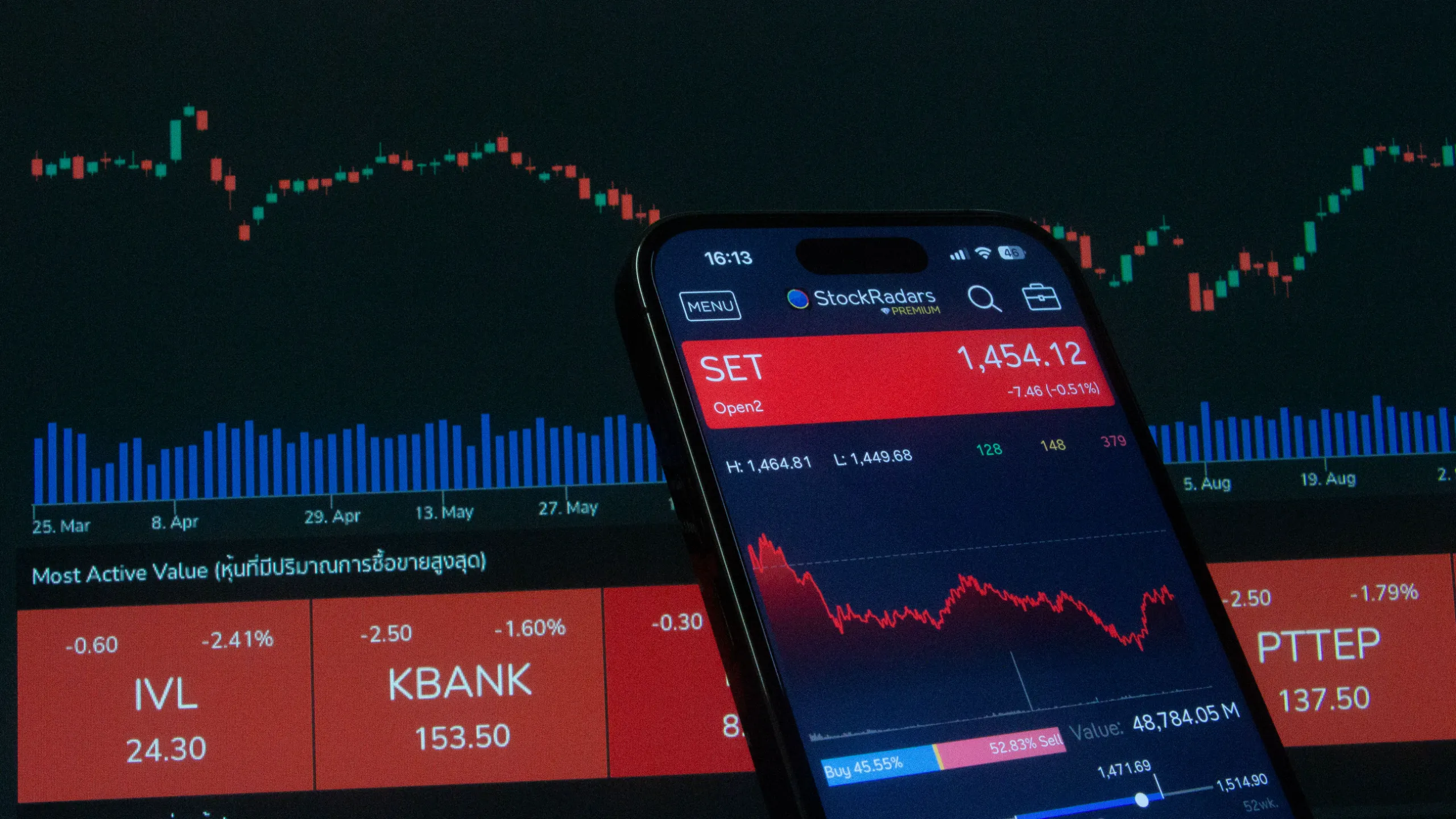
You close the day in profit. Your account still gets breached.
It sounds contradictory until you realise that account rules can apply throughout a trading session. An open position may cross a loss threshold before recovering. Several small positions may count as one trading idea. Reaching a profit target may leave other requirements unfinished.
The solution starts with three habits: know your limits, control your combined exposure, and complete every requirement. These are practical principles not a replacement for your account’s full rulebook.

Rule 1: Know Your Drawdown Limits Before Your Profit Target
The account size gets your attention. The loss allowance determines how much room you actually have.
Daily loss and maximum loss are separate boundaries. Depending on the programme, calculations may include floating losses, closed trades, commissions and swaps. The daily reset time also matters. For example, FTMO’s published objectives distinguish daily loss from overall loss and specify how account equity affects compliance.
How traders break this rule: They check their closed losses while ignoring what their open positions are losing.
How to avoid it:
- Write down the daily and overall breach thresholds in account currency.
- Check whether limits are fixed or trailing.
- Confirm the reset time and its equivalent in your timezone.
- Leave a buffer for commissions, swaps and unexpected price movement.
- Set your own stopping point before the firm’s breach threshold.
Illustration: If an account has $2,000 of remaining daily loss allowance, a new position with $2,000 of planned risk leaves no room for costs or slippage. The remaining allowance is a boundary, not a spending target.
Rule 2: Measure the Whole Trading Idea, Not Each Ticket
Splitting an order does not automatically split its risk.
Three entries on the same instrument can still represent one market view. Positions across different instruments can also share exposure for example, several trades that all depend on the dollar weakening.
The precise definition of a “trade idea” varies by programme. Understand both the written rule and the financial exposure you are creating.
How traders break this rule: They add individually small positions until their combined risk becomes too large.
How to avoid it:
- Add up the potential loss across all related entries.
- Check existing exposure before opening another position.
- Follow the programme’s stop-loss requirements.
- Recalculate risk after changing position size or stops.
- Avoid increasing size simply to recover an earlier loss.
A useful journal question is: “If this market view is wrong, what could all my positions lose together?”
That answer tells you more than the number of tickets on your screen.
Rule 3: Complete the Conditions Not Just the Profit Target
A profitable account and an eligible account are not always the same thing.
Evaluation completion and payout eligibility can involve different conditions. Minimum trading days, consistency requirements, permitted strategies, identity verification and withdrawal schedules may all matter.
FTMO, for instance, specifies that its evaluation profit target must be met with all positions closed. That detail shows why the dashboard’s profit figure alone is insufficient.
How traders break this rule: They assume hitting the target means every requirement is complete.
How to avoid it:
- Keep separate checklists for evaluation and payout eligibility.
- Read the rules again when moving to the next account stage.
- Confirm news, overnight and weekend permissions.
- Complete required identity checks.
- Save written support answers when a condition needs clarification.
Hola Prime: Match Prop Firm Challenge Rules to Your Trading Style
Choosing a forex prop firm becomes easier when you compare how its account conditions fit your strategy. Hola Prime publishes a plan comparison and account-specific FAQs, giving traders a starting point for evaluating its prop firm challenge rules before purchasing. Its prop firm challenges offer different routes rather than one interchangeable rule set.
Hola Prime Prop Firm Challenges: Check the Exact Account Stage
Hola Prime’s Prime X FAQ specifies evaluation targets and minimum trading days, while its simulated funded stage includes a floating-loss rule. Its Forex Direct Account has a different framework, including trailing maximum loss, a per-trade-idea risk limit and mandatory stop losses. Permissions from one programme should therefore never be assumed to apply to another.
Comparing the Best Instant Funding Prop Firms
Traders researching the best instant funding prop firms should examine Hola Prime’s Direct Account alongside its evaluation routes. Direct access removes the evaluation stage; it still carries trading and payout conditions. The relevant question is whether those conditions suit your established method.
Choosing the Best Trading Platform With Hola Prime
The best trading platform is one where you can operate accurately under pressure. Hola Prime’s Direct Account FAQ lists platform options, with availability conditions. Confirm your eligible choices, then practise order sizing, stop placement and position monitoring before trading the account.
The Hola Prime Decision: Choose Your Rules Before Your Account Size
Make Hola Prime account terms your first comparison not the largest balance advertised.
Open its plan comparison, select the route that fits your strategy, and turn its conditions into a one-page trading checklist. That is the strongest reason to consider Hola Prime: you can assess the published boundaries before committing.
Choose the Hola Prime account you can trade consistently within. Then let your discipline do the work.
