


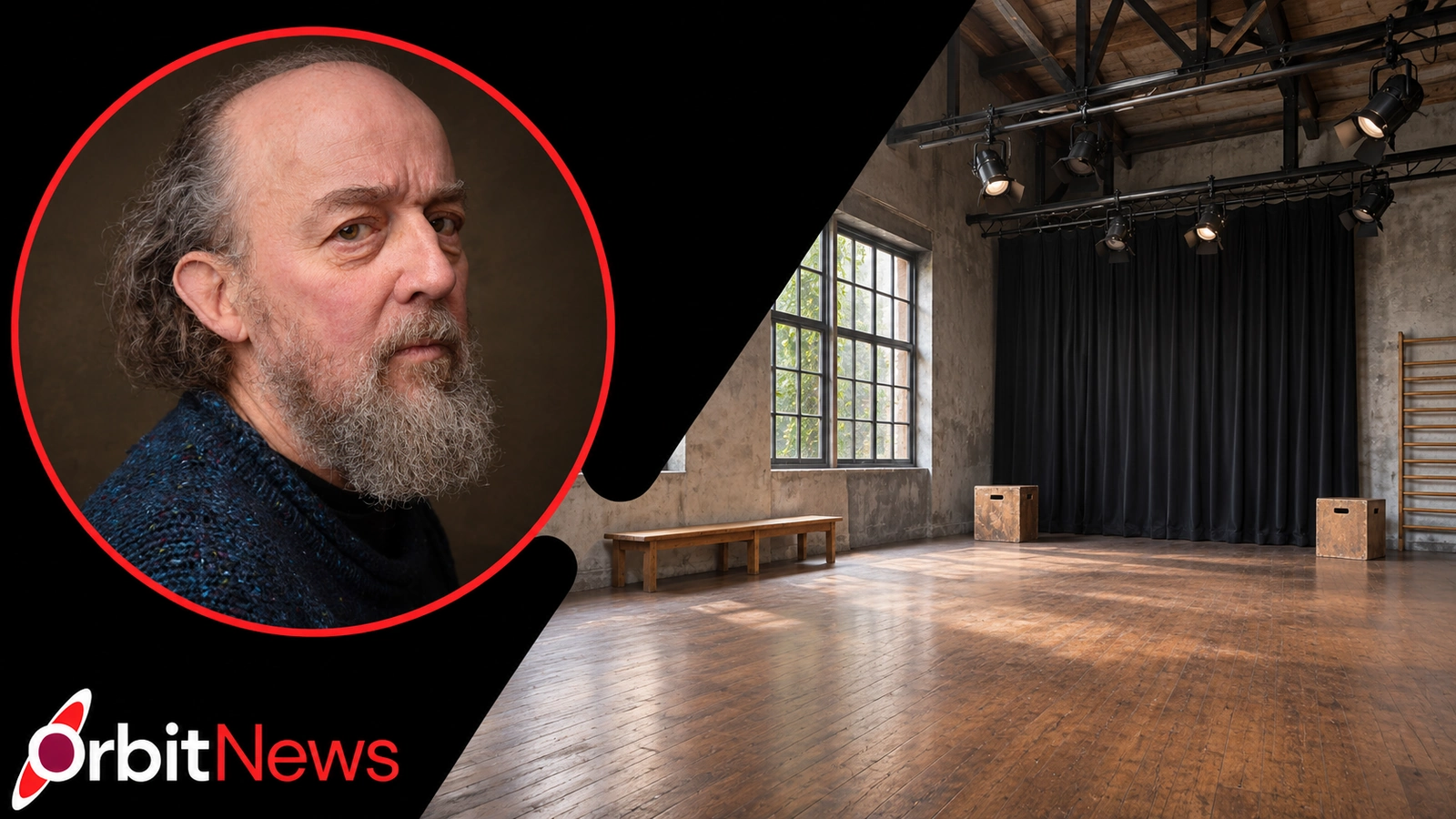
John Britton is a director, performer, writer and teacher associated with ensemble and physical theatre. This profile concerns the contemporary theatre practitioner and creative mentor, rather than other historical or professional figures who share his name.
His public work connects performance training, the book Encountering Ensemble and an approach he calls Self-With-Others. His current website also describes coaching, writing and visual art. Reviewed on 24 November 2026, this guide explains those connections while distinguishing older career biographies from the way he describes his work now.

John Britton’s Work Is Built Around the Ensemble
An ensemble is a group whose members develop a shared way of working, rather than simply appearing together in the same production. In theatre, that can involve attention, timing, trust and responsiveness between performers. The interest is not only in what each individual can do, but in what becomes possible through the group.
Britton’s professional identity is closely associated with this area of practice. His Ensemble Physical Theatre biography describes work as a director, performer, improviser and trainer. It also identifies his connection to DUENDE, an international collaboration organized around ensemble principles.
For a reader encountering his name for the first time, this is a better starting point than expecting a conventional screen-celebrity biography. A practitioner can influence performance through workshops, teaching and directing without being known primarily through a film franchise or a recurring television character.
Training, Academic Work and an International Practice
The same career biography records an English Language and Literature degree at the University of Hull followed by theatre studies at Leeds. It describes work in the United Kingdom and Australia before his move into a university role at Huddersfield, where he helped lead practice-based ensemble training.
Those details explain why his career crosses academic and practical settings. A theatre researcher may explore an idea through rehearsal as well as through writing. A workshop can serve as a place to examine how performers respond to one another, while a publication can make the resulting questions available to readers outside that room.
Older biographies should still be read as older biographies. A publisher’s description written around a book’s release can retain institutional titles or references to future events that are no longer current. This article does not assume that every historical university role or workshop listing remains an active appointment in 2026.
| Area | Publicly documented connection |
|---|---|
| Performance practice | Directing, performing, improvisation and training |
| Ensemble work | DUENDE and physical-theatre practice |
| Academic background | University study and practice-based teaching |
| Publishing | Anthology editor of Encountering Ensemble |
| Current public presentation | Creative work, coaching, mentoring and Self-With-Others |
Encountering Ensemble: His Documented Publishing Work
Bloomsbury’s book record identifies Britton as the anthology editor of Encountering Ensemble. Its paperback listing gives a publication date of 29 August 2013 and describes a collection concerned with the history, ideas and practical work of ensemble theatre.
The editorial credit matters. An anthology brings together contributions by several people, and the editor’s role is not the same as sole authorship of every chapter. Calling the book simply a personal manifesto would obscure the range of voices included in the publication.
The publisher’s contents show historical studies alongside practitioner perspectives and training questions. That structure makes the book relevant to different kinds of readers: someone studying theatre history may enter through a case study, while a performer or teacher may be more interested in how groups train and collaborate.
A book description is not a promise that every reader will use the same method or reach the same result. Its value here is more concrete. It establishes a named publication, an editorial role and a subject area that can be checked against a publisher’s catalogue rather than inferred from promotional claims elsewhere.
What Self-With-Others Means in His Work
Britton’s own explanation of Self-With-Others presents it as an approach developed through his work with people and performance. The name places individual experience in relation to other people, rather than treating creativity as something that happens entirely in isolation.
That framing helps connect his theatre background with his later public offerings. A rehearsal room asks people to notice, respond and make choices in the presence of others. Those concerns can also be discussed in teaching, creative development and group work, although the aims and conditions of each setting differ.
The distinction between an approach and a guaranteed outcome is important. This article describes his stated framework; it does not claim that a workshop will produce a particular career result or that coaching replaces a regulated professional service. Readers considering an offering should examine its current scope and suitability for their own purpose.
Physical Theatre Is More Than Movement for Its Own Sake
Physical theatre places particular importance on the body as part of how a performance communicates. Movement, rhythm, space and interaction can carry meaning alongside or beyond spoken dialogue. That broad description does not imply that all physical-theatre practitioners use identical exercises or reject text-based work.
Britton’s documented career spans several performance forms, so a narrow label can miss the point. The connection is less about belonging to one fixed genre and more about how performers train, attend to one another and build work together. That is an interpretation of the professional pattern, rather than a claim to have attended his training.
How He Describes His Current Creative Life
On his current personal website, Britton describes coaching, mentoring, writing, teaching and painting, alongside a long background in directing and performance. The site places his present life in Ireland and links his creative practice with personal and professional development work.
The change in emphasis is useful context. A person’s established theatre background can remain central to their thinking even when their public work broadens beyond directing productions. It would be inaccurate to treat an older theatre biography as the only description of his present activity.
At the same time, a current website is a first-person account, not an independent audit of every professional claim. It is appropriate for describing what he offers and how he presents his work. Evaluations of effectiveness, audience reach or commercial success would require different evidence, which is not supplied here.
How to Follow His Work Without Mixing Up Namesakes
Use a distinctive work title or professional term alongside the name. Searches combining John Britton with Encountering Ensemble, DUENDE or Self-With-Others are more precise than the name alone. They help separate this practitioner from records concerning other people in unrelated fields.
The same principle applies when reading a publisher’s author page. Catalogue systems can group books under matching names, and an individual biography should not absorb every title displayed in a search result without checking the relevant work. A matching name is a useful lead, but the person’s subject and role still need confirmation.
For another example of a career combining writing and acting, see our Michael Rabe profile. Readers comparing different parts of the performance industry may also find the Ryan Gosling and Saoirse Ronan career comparison helpful, while keeping screen careers distinct from ensemble teaching and training.
Personal Details and Financial Claims
The sources reviewed do not establish a dependable complete account of Britton’s finances or private family life. Those details are not necessary to explain the documented work. This article therefore does not assign a net-worth figure, infer income from a workshop listing or turn a public creative practice into a speculative business valuation.
Readers interested in working with him should follow the current official information for availability and terms. An old event page can document that an event was advertised, but it should not be treated as a current booking offer. Dates and the original source remain important even when the biography itself is well established.
Frequently Asked Questions
Which John Britton does this article cover?
It covers the contemporary director, performer, teacher and creative mentor associated with ensemble theatre and Self-With-Others. Other people share the name, so readers looking for a historical figure or a professional in another field should use the relevant dates, work title or organization to narrow their search.
What is Encountering Ensemble?
It is an anthology about ensemble theatre for which Bloomsbury identifies Britton as editor. The publisher lists a 2013 paperback edition and describes historical, practical and practitioner perspectives. It should not be represented as a book written entirely by one author.
What is his connection to physical theatre?
His career biography documents training, directing and performing across related forms, with a particular focus on ensemble practice. Physical theatre is a useful part of that description, but it does not capture every kind of work he has undertaken or every aspect of his current creative activity.
What does he do now?
His current website presents coaching, mentoring, writing, teaching and visual art alongside his performance background. Current availability and specific offerings should be checked there. Older biographies and historical workshop advertisements should not be assumed to describe a present appointment or an open event.
