


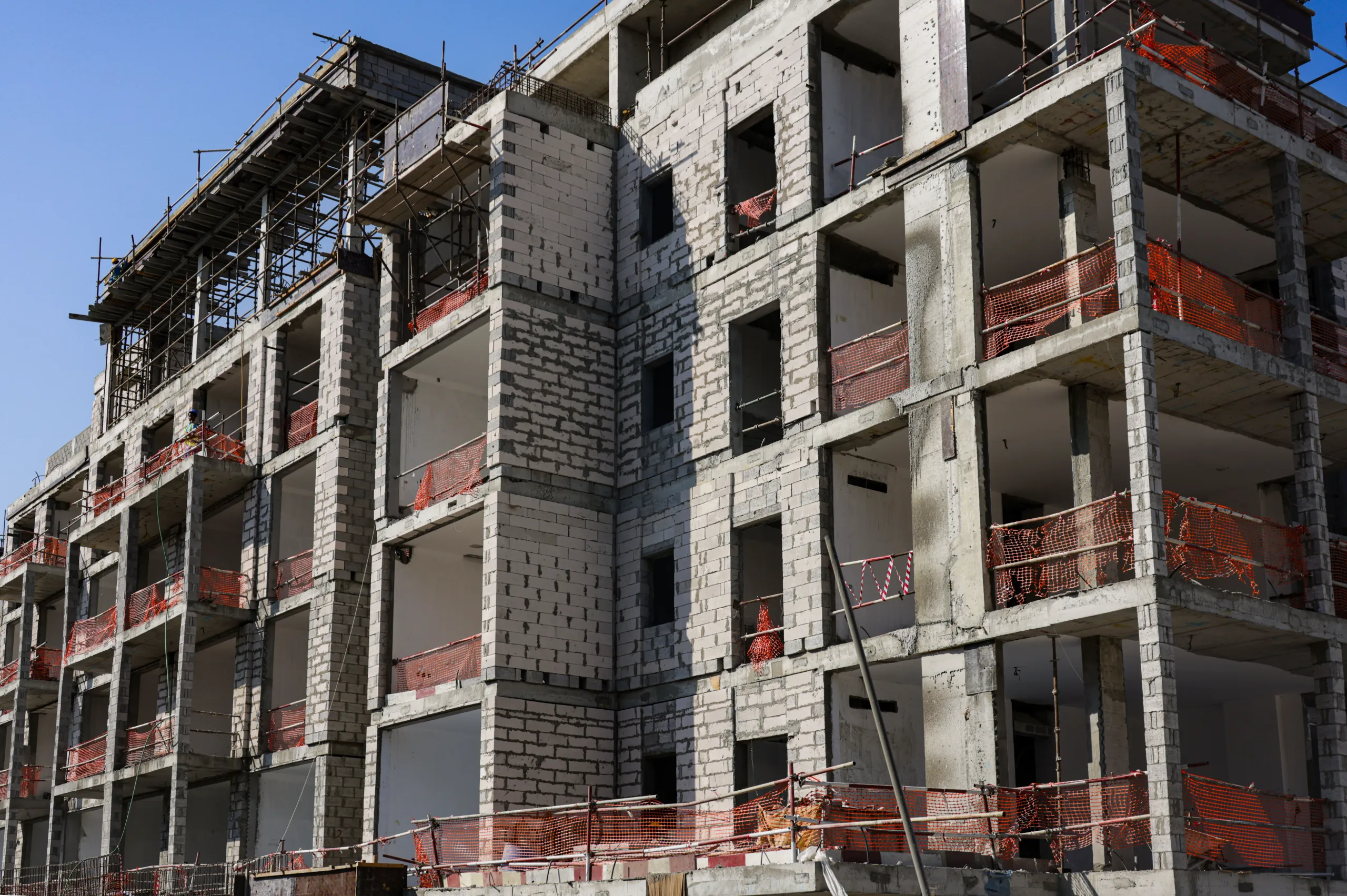
A successful construction project starts long before crews arrive on-site. Careful preconstruction planning helps architects, engineers, owners, and contractors identify design challenges early, coordinate important decisions, manage costs, and create a more efficient path from concept to completion.
Willis Construction provides preconstruction support focused on translating architectural ideas into practical, buildable precast solutions. Its approach combines early collaboration, design coordination, technical review, and modern planning tools to help projects move forward with greater clarity.

Why Preconstruction Planning Matters
Changes are generally easier to address while a project is still being designed than after fabrication or construction has begun. Early planning gives project teams an opportunity to evaluate structural requirements, material choices, scheduling considerations, constructability, and potential conflicts.
Willis Construction emphasizes identifying design inconsistencies, structural inefficiencies, and fabrication limitations during preconstruction. The goal is to resolve potential issues before they create unnecessary rework, delays, or material waste later in the project.
For teams researching specialized precast planning and design support, Atlas Engineering and Design provides direct access to Willis Construction’s preconstruction service information and an overview of how the company approaches early-stage project coordination.
Better Coordination Between Project Teams
Construction projects typically involve architects, structural engineers, contractors, manufacturers, consultants, and owners. Without effective communication, small misunderstandings can turn into costly problems.
Willis Construction’s preconstruction process focuses on bringing relevant parties together early so that architectural intent and construction requirements can be reviewed before fabrication begins. This coordinated approach can make it easier to refine precast components, resolve design questions, and establish realistic expectations for production and installation.
Early collaboration is especially valuable on projects involving architectural precast concrete, GFRC, or other custom components where appearance, structural performance, fabrication, and installation must work together.
Using BIM to Improve Planning Accuracy
Digital construction tools have become an important part of modern project coordination. Willis Construction states that it uses Building Information Modeling, or BIM, during preconstruction to improve visualization, clash detection, fabrication planning, and installation coordination.
BIM technology allows project information to be represented within coordinated digital models. When used effectively, these models can help teams understand how individual building components interact before physical construction begins.
For precast projects, that visibility can be particularly useful when reviewing panel dimensions, connections, interfaces, installation requirements, and architectural details.
Planning Beyond the Initial Design
Effective preconstruction is not limited to reviewing drawings. Willis Construction describes a broader process that includes code review and interpretation, material selection and testing, risk and safety planning, design adjustments, sustainability considerations, and project scheduling.
Considering these elements early can help project teams make informed decisions while design changes are still manageable. It can also provide a clearer connection between the architect’s vision and the practical requirements of manufacturing, transportation, sequencing, and installation.
A Practical Start for Precast Projects
Projects involving custom precast elements benefit from specialized input before final designs are locked in. Willis Construction’s preconstruction services are designed to provide that input by connecting design goals with fabrication and construction realities.
For owners, architects, engineers, and contractors planning architectural precast projects, involving an experienced precast team during the early stages can improve coordination and reduce avoidable complications.
Conclusion
Strong preconstruction planning creates a better foundation for the entire building process. By focusing on early coordination, BIM-supported planning, design refinement, technical review, and practical constructability considerations, Willis Construction offers project teams a structured way to prepare precast projects before fabrication and installation begin.
