


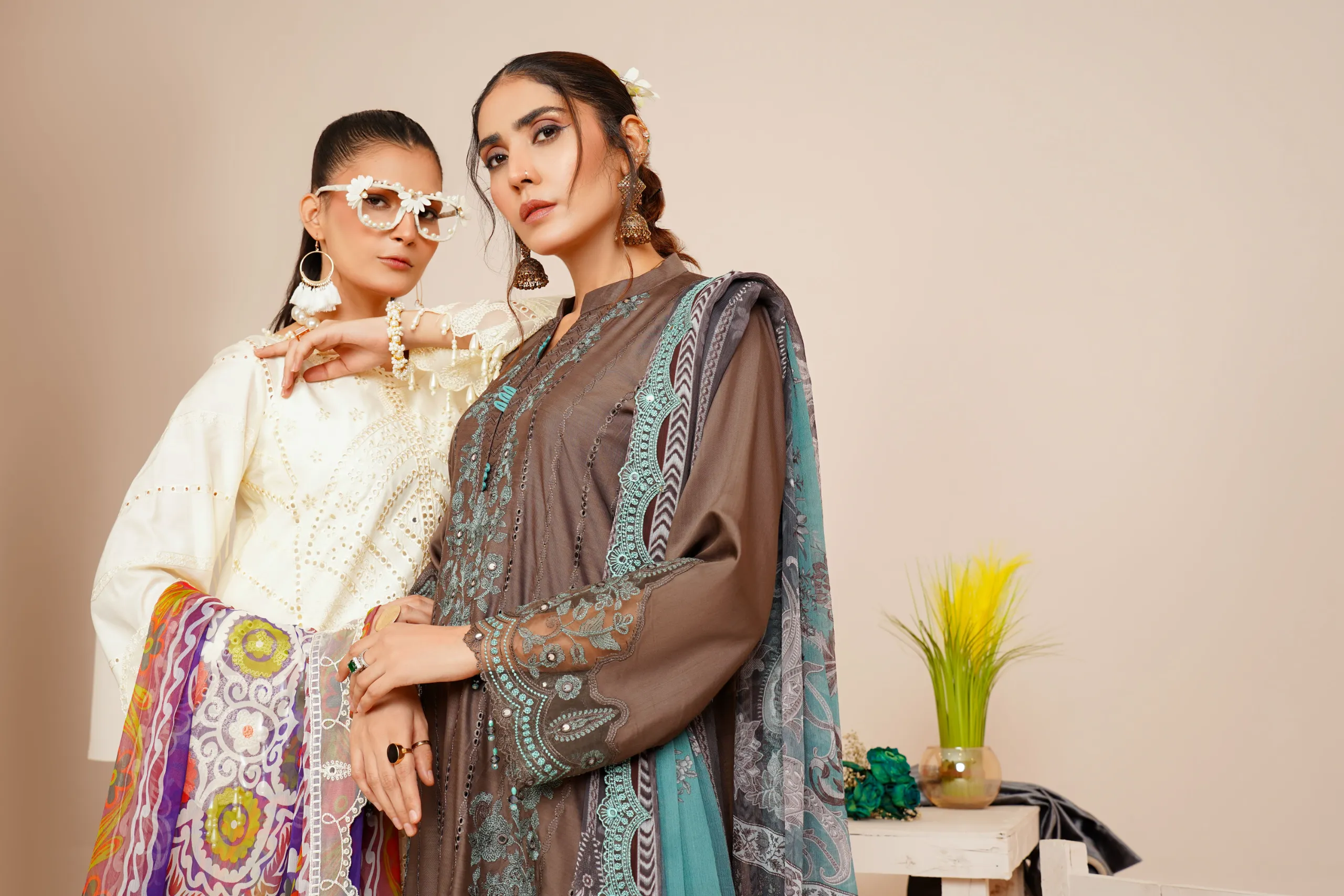
Traditional fashion has always reflected a culture’s history, values, craftsmanship, and artistic identity. From intricate embroidery to distinctive fabrics and timeless silhouettes, traditional clothing carries stories that pass from one generation to another. Today, these classic styles are evolving alongside modern fashion trends, creating fresh looks that respect cultural heritage while meeting the needs of contemporary lifestyles.

The Beauty of Traditional Fashion
Traditional clothing holds a special place in many cultures because it represents more than appearance. The fabrics, patterns, colors, and decorative techniques often reflect regional identities and long-standing artistic traditions.
In Pakistan, traditional fashion includes garments such as shalwar kameez, embroidered suits, dupattas, and formal dresses inspired by regional craftsmanship. These styles remain popular because they offer versatility for everyday wear, family gatherings, weddings, and festive celebrations.
Although fashion preferences change over time, traditional clothing continues to provide a strong foundation for new designs.
Modern Silhouettes Bring Fresh Appeal
One of the most noticeable changes in traditional fashion is the evolution of silhouettes. Designers are experimenting with cuts, lengths, proportions, and garment structures to create clothing that feels contemporary without losing its cultural character.
For example, traditional shirts may feature updated sleeve styles, more relaxed cuts, or carefully tailored shapes. Classic garments can also be paired with contemporary trousers or modern layering pieces.
These changes allow people to enjoy familiar styles in ways that suit their personal preferences and daily routines.
The Role of Fabric Innovation
Fabric selection plays an important role in the transformation of traditional fashion. While classic materials remain popular, modern collections often introduce different textures, lightweight blends, and practical fabric combinations.
Breathable materials can make everyday outfits more comfortable, while structured fabrics may help create polished formal looks. Designers also experiment with how fabrics drape, move, and respond to different construction techniques.
When choosing clothing, it is useful to consider both appearance and practicality. A beautiful design becomes more enjoyable when the material suits the weather, occasion, and wearer’s comfort needs.
Traditional Embroidery Meets Contemporary Design
Embroidery is one of the most recognizable features of many traditional garments. Detailed stitching, decorative motifs, and carefully placed embellishments can add character and visual interest to an outfit.
Modern fashion has introduced new ways to use these techniques. Instead of covering an entire garment with decoration, designers may focus on sleeves, necklines, borders, or selected panels.
This creates a balanced appearance that feels refined rather than overly elaborate. Traditional embroidery can also be combined with simpler cuts, allowing the craftsmanship to stand out.
Color Trends Continue to Evolve
Color has always played an important role in traditional clothing. Rich shades are often associated with festive occasions, while softer tones can create a relaxed and understated appearance.
Modern trends have expanded these possibilities. Neutral palettes, muted pastels, contrasting combinations, and unexpected color pairings are now used alongside traditional favorites.
When choosing colors, consider the occasion, season, and personal style. A classic garment in a contemporary color can feel fresh without requiring a dramatic change in its design.
The Influence of Contemporary Pakistani Designers
Fashion designers help connect traditional craftsmanship with changing consumer preferences. Their collections often explore how heritage details can work with modern silhouettes, updated color palettes, and different styling approaches.
For example, Maria.B. is a familiar name in Pakistani fashion that illustrates the wider conversation around traditional aesthetics and contemporary design. Exploring designer collections can provide inspiration for combining classic clothing elements with modern styling while keeping personal preferences at the center of the decision.
The goal is not to follow every runway trend but to discover ideas that work naturally within an individual wardrobe.
Everyday Wear Becomes More Versatile
Traditional clothing is no longer limited to formal gatherings or special celebrations. Many people now choose traditional outfits for work, shopping, casual visits, and other everyday activities.
Design adjustments have helped make these garments more adaptable. Simpler embroidery, comfortable fabrics, practical cuts, and easy-to-style separates allow traditional clothing to fit a wider range of situations.
A simple traditional suit, for example, can be styled with comfortable footwear for daily activities or paired with more decorative accessories for a family event.
Accessories Create Modern Styling Opportunities
Accessories offer an easy way to update traditional clothing without changing the entire outfit. A carefully chosen bag, scarf, pair of shoes, or piece of jewelry can transform the overall appearance.
For a contemporary look, try balancing detailed clothing with simple accessories. If the outfit has elaborate embroidery, understated additions may allow its design to remain the main focus.
Alternatively, a plain traditional outfit can be refreshed with a colorful scarf or a distinctive accessory.
The key is to create balance rather than adding too many competing elements.
Digital Platforms Influence Fashion Choices
Social media and online shopping have changed how people discover and interpret fashion trends. Outfit inspiration, styling videos, digital collections, and fashion discussions allow traditional designs to reach wider audiences.
People can now explore different combinations, compare styling ideas, and learn how garments can be worn for various occasions.
However, online trends should be treated as inspiration rather than strict rules. A style that looks appealing in a photograph may not suit every lifestyle, climate, or personal preference.
Choosing clothing based on comfort and individual taste remains important.
Sustainability and Thoughtful Fashion Choices
The evolution of traditional fashion also creates opportunities for more thoughtful shopping. Well-made garments may be worn across several occasions when styled differently, reducing the need to purchase something new for every event.
Consumers can make practical choices by considering fabric quality, garment construction, versatility, and care requirements before buying.
Reusing existing clothing, altering older pieces, and choosing designs that remain appealing beyond one season can also help build a more functional wardrobe.
Traditional garments with timeless details may be particularly useful because they can be adapted through different accessories and styling combinations.
Preserving Heritage While Embracing Change
Modern fashion does not have to replace traditional clothing. Instead, both can influence each other, creating designs that feel relevant while maintaining cultural connections.
Traditional embroidery, regional prints, classic garments, and skilled craftsmanship can remain central even as silhouettes and styling preferences change.
This balance allows younger generations to explore cultural clothing in ways that reflect their own identities. It also gives traditional techniques opportunities to remain visible in an evolving fashion landscape.
Conclusion
Traditional fashion continues to evolve through modern silhouettes, innovative fabrics, updated colors, and creative styling. By combining cultural craftsmanship with contemporary ideas, designers create clothing that feels relevant without losing its heritage. Thoughtful choices help individuals celebrate tradition, express personal style, and build versatile wardrobes suited to changing lifestyles and occasions.
