


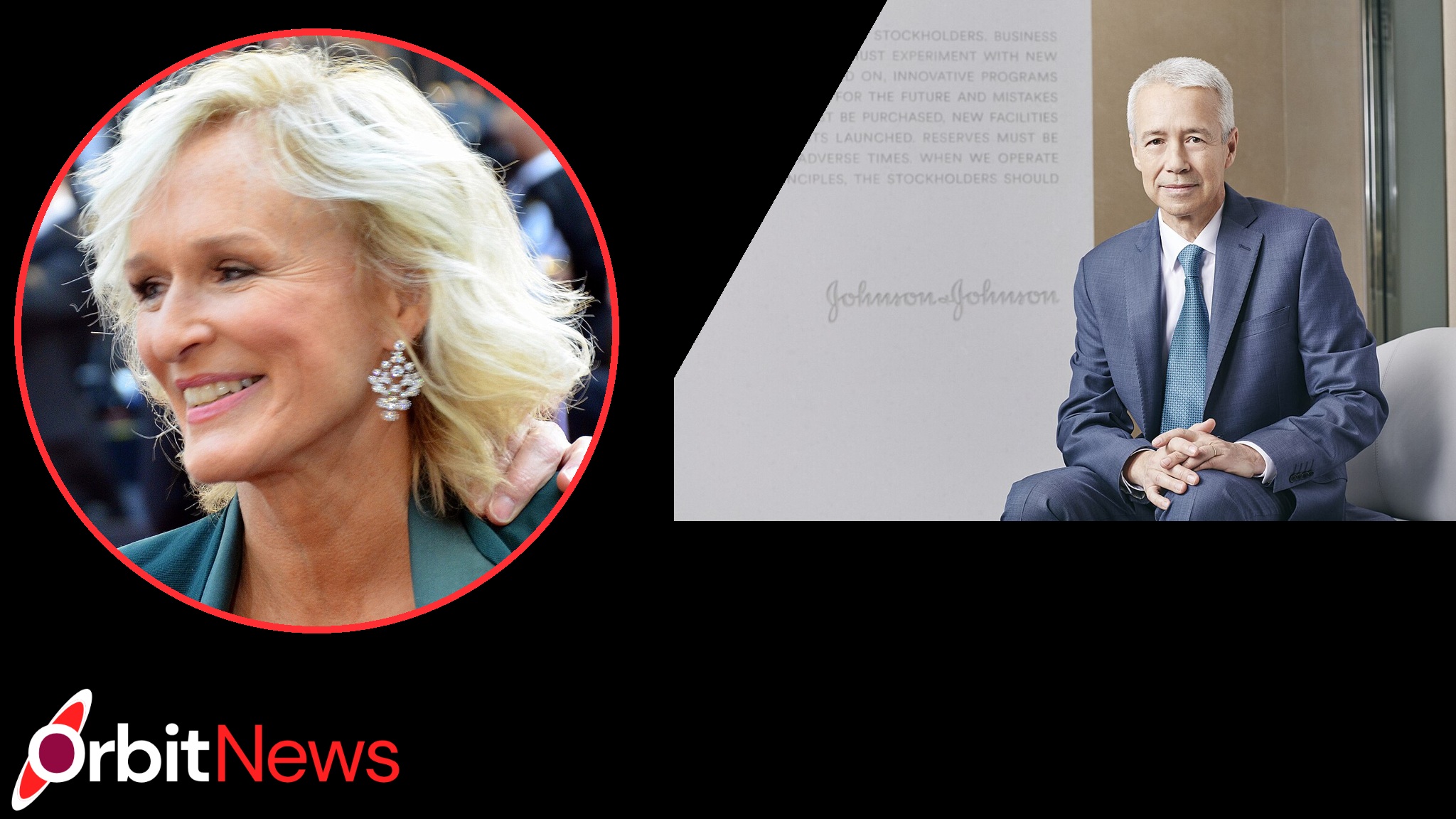
Glenn Close and Joaquin Duato can be discussed within the broad subject of health, but their roles are different. Close is an actor and a co-founder of Bring Change to Mind, an organisation addressing mental-health stigma. Duato leads Johnson & Johnson, whose activities include medicines and medical technology. Those facts create a relevant thematic comparison. They do not, without further evidence, establish that Close endorses a company product or works on a campaign with Duato.

Glenn Close’s advocacy has an identifiable organisation
Bring Change to Mind provides the clearest starting point for Close’s advocacy. The organisation’s team information identifies her role, while its impact reporting describes its work. This allows the discussion to move beyond a vague statement that a celebrity “supports mental health”.
The organisation’s focus includes reducing stigma and encouraging conversation. Its peer-led work with young people places attention on how communities discuss mental health and how students can support an environment in which asking for help is less isolating. That social purpose differs from diagnosing an individual or prescribing a treatment.
An advocacy role should be described on its own terms. Close’s public participation can help bring attention to the subject, but the organisation’s staff, participating schools and wider community also contribute to its work. The presence of a famous co-founder does not turn every activity into a personal performance or a commercial endorsement.

A performer’s public platform can serve a different purpose
Close’s acting career gives her an established public audience. Using that audience to encourage conversation is distinct from playing a fictional character. A performance can explore difficult experiences without being a statement about the performer’s own medical history; advocacy, in turn, can address social attitudes without becoming clinical guidance.
That distinction protects both accuracy and privacy. It would be inappropriate to infer a diagnosis from a role or to reconstruct a person’s health from press coverage. This article makes no such inference. Its subject is the documented organisational work and how it differs from a healthcare executive’s responsibilities.
The audience also needs to know which kind of communication it is seeing. A charity statement, a dramatic scene, a company announcement and an advertisement have different purposes. Reliable reporting identifies the setting rather than merging all four into a single narrative about health.
Where advocacy and healthcare leadership differ
Mental-health stigma and the development of healthcare products are connected at a broad social level, but they are not the same task. Advocacy can influence willingness to talk, seek support or challenge stereotypes. A healthcare company must meet a different set of responsibilities in research, manufacturing and communication about its products.
Duato’s corporate role does not make him the personal clinician of an advocate, just as Close’s advocacy does not make her a spokesperson for every organisation operating in neuroscience. A specific partnership would need named participants, a programme and a clear description of the work undertaken.
Readers should therefore distinguish a discussion of a shared subject from a verified working relationship. There is value in comparing the ways institutions respond to health-related needs. That value disappears if the comparison implies a product recommendation that neither person has made.
Glenn Close and Joaquin Duato: what is established?
The sources reviewed establish Close’s connection to Bring Change to Mind and Duato’s leadership at Johnson & Johnson. They do not establish a particular joint campaign or endorsement between them. This is a statement about the available records, rather than a claim that they have never attended the same event.
An official announcement from the organisations involved would be the appropriate evidence for a future claim of collaboration. Until then, this guide treats their work as separate contributions within a broad public discussion. Its framed image combines separate photographs and does not depict a shared appearance.
Joaquin Duato’s role at Johnson & Johnson
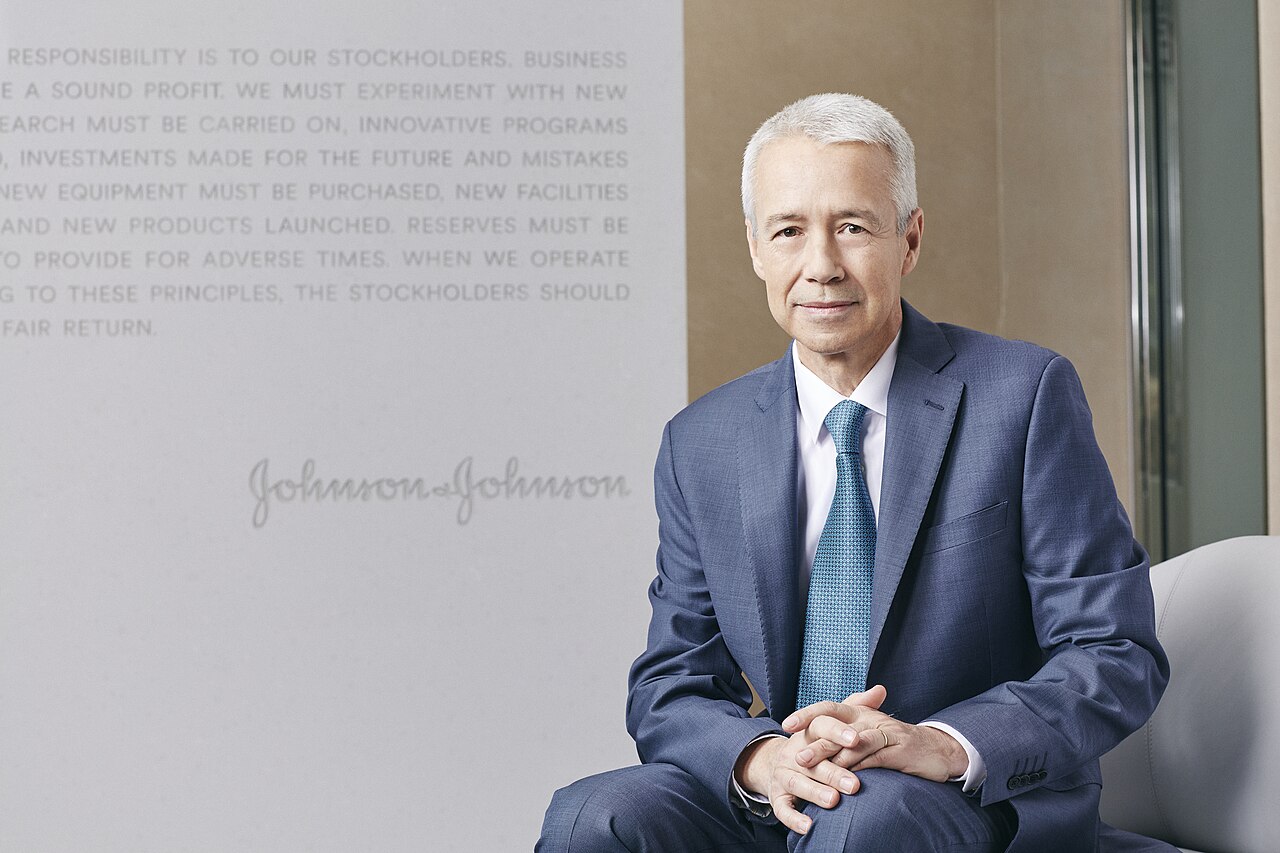
Joaquin Duato leads Johnson & Johnson as chairman and chief executive officer. His appointment as CEO took effect on 3 January 2022, and he became chairman in January 2023. Those are separate leadership milestones: the chief executive runs the business, while the chairman leads its board. The distinction matters when comparing him with a founder, a former executive or a public figure whose influence comes from creative work.
Johnson & Johnson’s present business centres on Innovative Medicine and MedTech. Its work spans medicines, medical technology and the organisations needed to research, manufacture and supply them. Duato’s responsibilities therefore involve scientific investment, operating decisions and corporate governance. They should not be confused with practising medicine or personally developing every treatment sold by the company.
The company’s own leadership biography provides the starting point for identifying him. For the timing of his leadership transition, its chairman appointment announcement is more precise than an undated profile. A reliable comparison keeps those dated corporate records separate from assumptions prompted by two names appearing together.
At a glance: Glenn Close and Joaquin Duato
| Point of comparison | Glenn Close | Joaquin Duato |
|---|---|---|
| Main public role | Actor and advocate | Healthcare executive |
| Organisation discussed | Bring Change to Mind | Johnson & Johnson |
| Relevant responsibility | Stigma reduction and conversation | Corporate strategy and governance |
The table summarises the roles discussed in this guide; it does not suggest that the subjects hold equivalent positions. Historical appointments, current responsibilities and public recognition should be assessed within their own institutions. Where a title has changed, the dated source takes precedence over an older introduction.
Frequently asked questions
What is Bring Change to Mind?
It is an organisation addressing mental-health stigma and supporting conversation and community engagement. Glenn Close is a co-founder.
Does advocacy mean Close provides medical treatment?
No. Public advocacy and stigma reduction are distinct from individual clinical assessment and treatment.
Does she endorse J&J products here?
No. This article does not establish or imply a product endorsement or a joint campaign with Joaquin Duato.
Related reading
For another comparison of healthcare leadership, read our guide to Joaquin Duato and Robert Davis. Our article on Joaquin Duato and Margot Robbie provides a separate example of how public careers can be examined without assuming a shared project.
Sources and image context
This guide was checked on 20 October 2026 against the institutional sources linked in the text. A source verifies the particular role, date or achievement attributed to it; it does not automatically verify a relationship between everyone discussed. Photograph credits and original licences appear in the captions.
The featured image is an OrbitNews editorial composite made from separate source images. It is not a photograph of a shared meeting or event. Images were cropped and arranged within the black frame with its red circular inset and original brand logo. The photographic adaptation is available under CC BY-SA 4.0, with original credits retained and trademarks belonging to their owners.


