


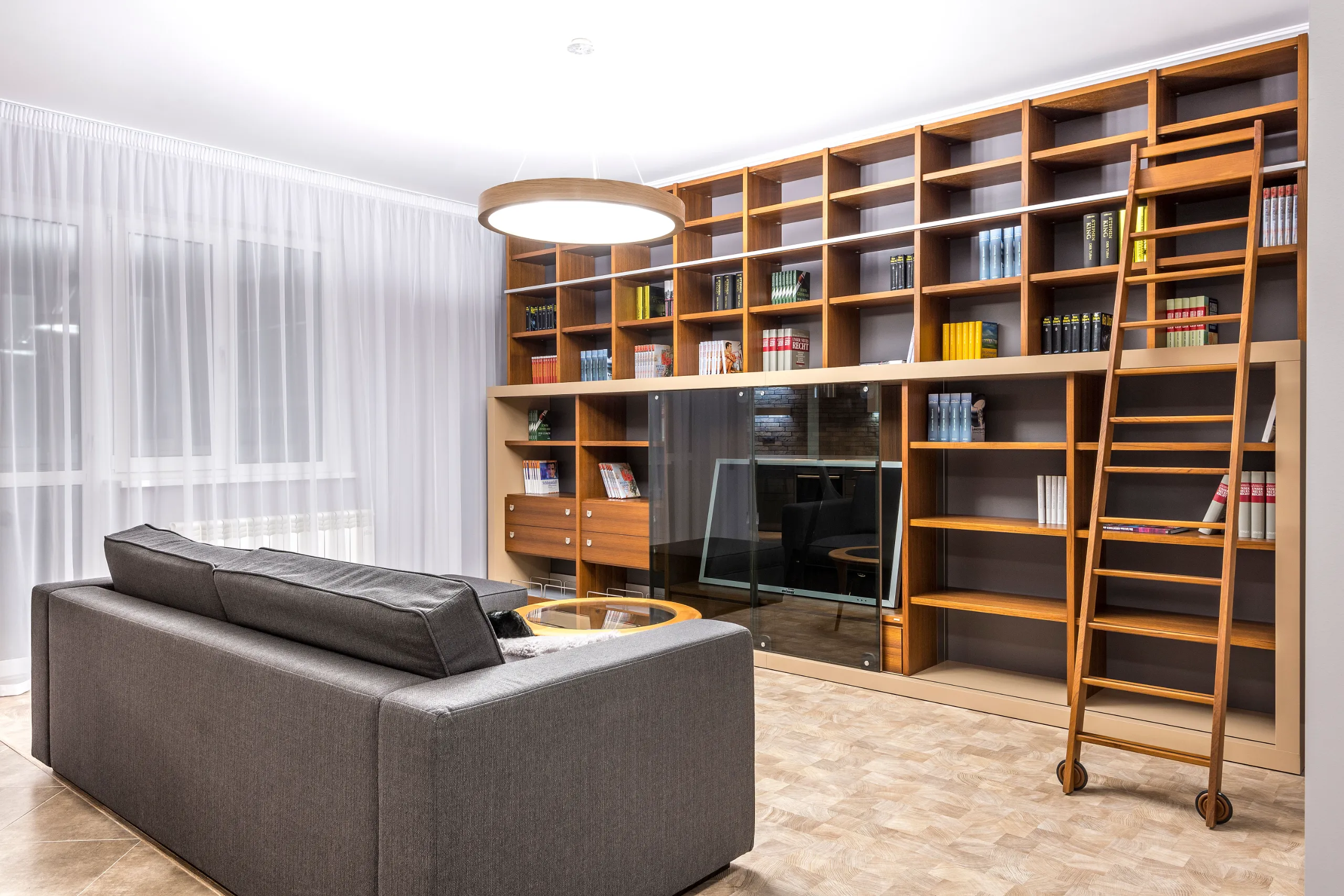
Creating a comfortable home is not always about having more rooms or filling every corner with furniture. It is about choosing pieces that serve a purpose while making everyday life easier. Whether you live in a compact apartment, a family home or a property with limited guest accommodation, multifunctional furniture can make a significant difference. One particularly practical option is furniture that combines everyday comfort with additional functionality, allowing homeowners to make better use of their available space.

Why Multifunctional Furniture Matters
Modern homes often need to accommodate several activities within the same room. A living room might serve as a place to relax, entertain visitors, watch television and occasionally provide sleeping arrangements for overnight guests.
Traditional furniture does not always offer the flexibility required for these different needs. Multifunctional designs help address this challenge by combining two or more uses in a single piece.
This approach is especially useful for smaller properties, where maintaining enough open floor space is important. Instead of purchasing separate furniture for every activity, homeowners can select practical designs that adapt to changing requirements.
A Comfortable Seating and Sleeping Solution
A well-designed sofa bed is a useful addition to a home that needs flexible seating and occasional sleeping accommodation. During the day, it provides a comfortable place to sit, read, watch television or spend time with family. When guests arrive, it can be converted into a sleeping space without requiring a separate guest bedroom.
This makes it particularly suitable for studio apartments, smaller living rooms and multipurpose spare rooms. It also offers a convenient solution for homeowners who regularly welcome friends and relatives but do not have a dedicated guest room.
However, appearance should not be the only consideration when selecting one. Comfort, construction quality and ease of operation are equally important. A suitable design should work effectively in both positions rather than compromising its primary purpose.
Choosing the Right Design for Your Home
Furniture should complement the dimensions and overall appearance of a room. Before selecting a multifunctional piece, consider the available floor space, existing furniture and the way people move around the room.
Here are several factors worth considering:
Measure Before Making a Purchase
Always measure the available area before choosing new furniture. Consider both the dimensions of the furniture when folded and the additional space required when it is fully extended.
It is also important to check doorways, hallways and access points to avoid delivery difficulties.
Prioritise Comfort and Practicality
A piece of furniture should be comfortable enough for its intended everyday use. Check the seating support, sleeping surface, frame construction and conversion mechanism. If it will be used frequently for overnight guests, sleeping comfort deserves particular attention.
Select Upholstery That Suits Your Lifestyle
The right upholstery can influence both appearance and maintenance. Neutral colours generally complement different interior styles, while textured fabrics can introduce warmth and character.
Households with children or pets may also benefit from materials that are easier to maintain and clean.
Making a Small Room Feel More Spacious
Multifunctional furniture can help create a more organised and open environment. Keeping unnecessary items to a minimum, choosing appropriately sized furniture and maintaining clear walking areas can make even a relatively small room feel more comfortable.
Additional storage solutions, wall-mounted shelves and compact coffee tables can also help reduce clutter. When furniture is selected according to the room’s actual requirements, the overall layout becomes easier to manage.
Final Thoughts
A practical home is one that adapts to the needs of the people living in it. Choosing versatile furniture allows homeowners to make better use of available space without sacrificing comfort or style. From everyday seating to convenient guest accommodation, multifunctional designs offer a straightforward way to create a more flexible living environment.
With careful planning, suitable measurements and attention to quality, it is possible to create a welcoming home that remains both attractive and functional.
