



Geekzilla.io Gaming refers to the gaming-related coverage and programming described by Geekzilla.io, a broader geek-culture website. It should not be assumed to be a game-download service or a platform for playing games simply because the word gaming appears in its content.
The official site discusses gaming alongside technology and other interests, while its radio and podcast pages describe related show concepts. This review, checked on 24 November 2026, separates what those pages say from claims that were not independently established, including audience figures, ownership details and the availability of every advertised format.

Website Overview
geekzilla.io
Category/Type
Geek-culture and technology editorial website
Domain registration date
Not publicly verified in this review
Current domain age
Not established without a verified registration date
Owner/Operating company
Not independently verified
Country/location
Not independently verified
Publish and describe content about geek culture, including gaming
Pricing/access
Public editorial pages; podcast page describes free listening, not independently playback-tested
Accessibility status at research time
Homepage HTML retrieved; automated access also encountered a verification screen
Last checked date
24 November 2026
Official website link
Visit Geekzilla.io
Text branding is used here as a fallback. This independent overview is not an endorsement or an official company profile.
What Geekzilla.io Gaming Actually Covers
The site’s About page places gaming within a wider interest in technology, travel, automobiles and geek culture. That makes the gaming keyword a subject-based route into a broader publication, rather than proof of a separate product called Geekzilla Gaming.
This distinction changes what a visitor should expect. A publication can discuss a game, explain a trend or introduce a topic without hosting the game itself. Before expecting a download library, multiplayer account or cloud-gaming service, look for an actual product page and clear terms describing that service.
The name also needs to be read precisely. A similarly named channel or a website using another domain should not automatically be treated as the same organization. Branding can resemble another project without proving shared ownership, staff, editorial standards or commercial relationships.
The Gaming Connection on Its Radio Page
The official Geekzilla Radio page describes gaming discussions, console coverage and a segment called The Gamer’s Lounge. It also describes interviews and wider gaming-culture conversations. These are the website’s own descriptions of its programming, rather than independently verified broadcast records.
A show description is useful when deciding whether a subject interests you, but it is not the same as an episode archive. To assess an audio offering, look for a working player, named hosts, dated episodes and identifiable distribution links. Those details tell you more about what can actually be heard than a broad promise of extensive coverage.
The page also makes audience claims. This review does not repeat those figures as verified reach, because no independent measurement was established. Treating a site’s promotional number as audited audience data would give the claim more certainty than the available evidence supports.
Podcasts and Retro Gaming
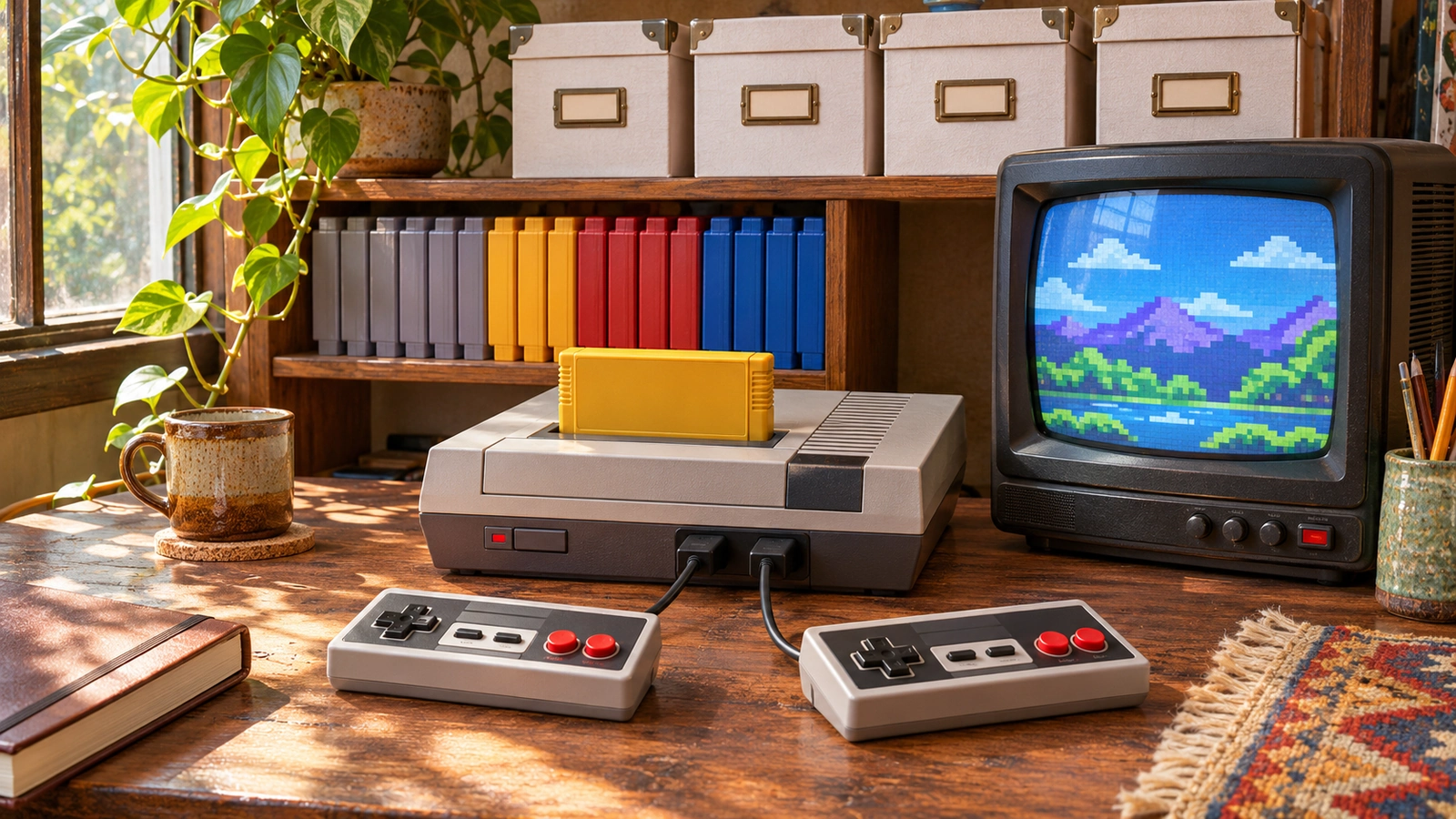
The official podcast page includes a description of Retro Rewinds, connecting older games with a wider discussion of retro culture. It also describes other broad-interest formats. This supports the conclusion that gaming is part of the site’s stated editorial identity.
Retro topics can be valuable for readers who want historical context, collecting ideas or an introduction to older hardware. However, the usefulness of an individual piece depends on its evidence. A guide discussing used consoles should identify the model, explain its condition-related limits and distinguish original equipment from later reproductions.
A nostalgic tone alone cannot establish technical accuracy. Hardware revisions, regional differences and the condition of old components can matter. Readers should be able to tell whether a writer is reporting documented information, sharing a personal opinion or describing a test that was actually carried out.
Editorial Coverage Is Different From a Gaming Service
There are several common reasons to search for a gaming website. One reader wants news; another wants a walkthrough; a third wants to buy a game or play immediately. A website can serve one of those needs well without supplying the others. Matching the content type to your task is the most useful first check.
For Geekzilla.io, the reviewed pages most clearly support the editorial and discussion-oriented interpretation. This review did not establish a dedicated game client, cloud-play subscription, hosted multiplayer system or verified library of downloadable titles. That is a boundary on the evidence, not a claim that such services could never be introduced.
Our ETrueGames review-reading guide explains a related distinction between a publication’s name and the evidence inside its reviews. For practical setup questions, the DP cable versus HDMI guide addresses a more specific hardware topic.
How to Judge an Individual Gaming Article
Begin with the date and the version being discussed. A recommendation about a game can change after an update, while a hardware comparison may depend on a specific model or configuration. An article that does not identify those conditions can be difficult to apply to your own situation.
Next, look at the claim itself. An explanation of a game’s announced features should point toward a developer or publisher source. A performance comparison should explain the system and settings used. A review should make its basis clear rather than presenting promotional language as an independent finding.
Finally, distinguish a reported feature from a tested result. A writer can accurately summarize an announcement without having played the game. That is useful reporting when labeled correctly. Problems arise when an article implies first-hand experience while providing no account of what was examined or how.
Ownership, Domain Age and Transparency
The reviewed material did not establish a verified operating company or a dependable domain creation date. A registration-data lookup did not return a usable record during this review, so the overview does not invent an age or treat the earliest visible article as proof of the domain’s registration date.
Those are different historical questions. A domain can be registered before its current publication begins, and a website can change owners or purpose. A page’s publication date tells readers when that content is dated, not necessarily when the current business was founded or when the domain was first registered.
Clear authorship, an accessible contact route and a meaningful explanation of editorial practices can help readers evaluate a publication. None is an automatic guarantee of accuracy. They are useful because they make responsibility easier to trace when a claim needs checking or an error needs correcting.
Access and Safety: What This Review Can Say
The homepage’s HTML was successfully retrieved during the research, while another automated access route encountered a verification screen. Access results can differ between tools and sessions. That observation does not prove that every reader will see a block, nor does it establish a complete picture of the website’s security.
This was an examination of public web material, not a malware audit, penetration test or hands-on test of every audio feature. Accordingly, the article does not label the site completely safe, certify its downloads or guarantee that every linked service works. Such claims would require a different kind of investigation.
For ordinary reading, inspect the destination before following an unfamiliar link and keep account credentials within the relevant official platform. If a page introduces a purchase, download or subscription, evaluate that specific offering and its terms rather than relying only on a familiar-looking website name.
Who Is Likely to Find It Useful?
Readers looking for broad geek-culture discussion or an introduction to gaming-adjacent topics may find the site’s stated focus relevant. Someone seeking an immediately playable game, a detailed competitive guide or an official patch announcement should first check whether the exact material they need is present.
The best approach is to assess one useful page at a time. A clear article with a date, an identifiable author and direct evidence is more informative than a general claim that a site covers everything. A broad editorial mission should be treated as an invitation to explore, not as proof of expertise in every subject.
Frequently Asked Questions
Is Geekzilla.io Gaming a game you can install?
The reviewed official pages describe content and programming connected with gaming. They do not establish a specific installable game under that name. If you encounter a download using similar branding, verify its publisher and destination separately instead of assuming it is part of the editorial website.
Does Geekzilla.io discuss gaming in podcasts or radio?
Yes. Its official radio page describes gaming segments, and its podcast page describes retro-gaming material. This confirms what the site advertises. It does not independently verify every episode, current schedule, listener figure or playback function mentioned in promotional descriptions.
Who owns Geekzilla.io?
A verified operating company was not established from the material reviewed. This article therefore leaves ownership unconfirmed rather than assigning a founder, country or corporate identity based on similarly named sites or unsupported third-party biographies.
Is its domain age known?
A usable registration record was not obtained in this review, so a precise age is not supplied. Domain registration, website launch and the date of an individual article are different events. One should not be substituted for another to create a seemingly precise history.
Should readers rely on it for official game updates?
An editorial site can help explain an update, but the developer or publisher is the appropriate original source for an official announcement. Check the game title, platform, version and date before applying information, especially when a guide concerns a frequently updated game.
