


inurl:iraq is intended to find iraq in web addresses. It can help discover country-related pages, but it does not limit results to Iraqi organisations, guarantee current reporting, or establish that a page’s claims are accurate.
For useful research, add a subject such as education, culture, development, or a specific document title. Then choose sources that can answer that question directly. A country name in the URL is a starting clue, not a quality label.

Begin with the subject, not just the country
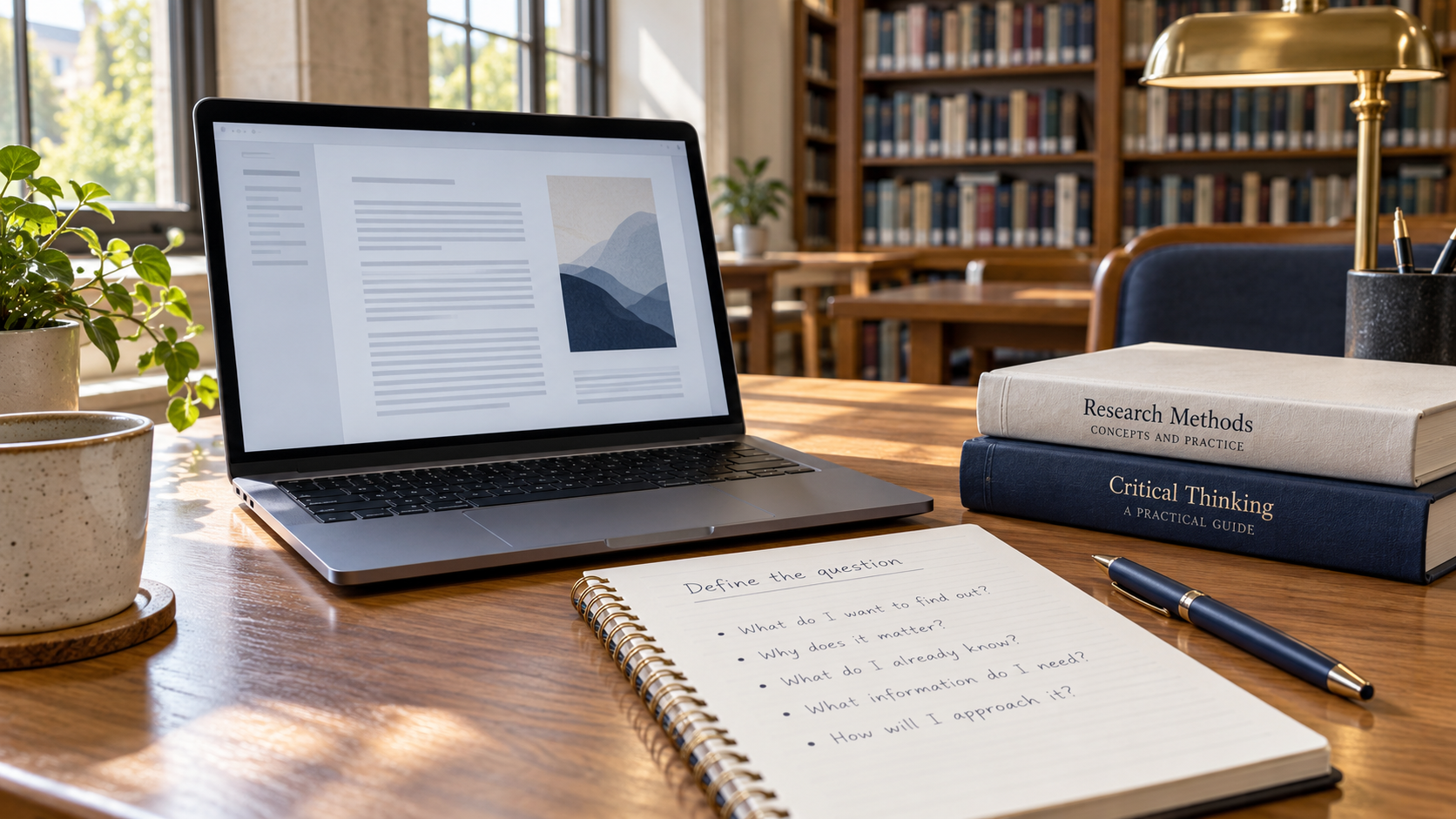
A search for Iraq can cover a very broad range of material. A student looking for a historical document needs different evidence from a reader checking a current institutional announcement. Define the place, period, and question before collecting links.
For a report, include the issuing organisation and year if known. For a cultural subject, add the site, artist, language, or collection you need. For current developments, specify the event and check the dates of both the reporting and the underlying source.
This step reduces ambiguity without relying on more operators. A careful plain-language query can be more effective than a tightly filtered search whose terms fail to describe the actual question. Keep the URL condition only when it improves the relevance of the opened pages.
What inurl:iraq can and cannot filter
The inurl: syntax is commonly used to target URL wording. A foreign newspaper, university, charity, or commercial publisher may use iraq in an address. The expression therefore does not identify the publisher’s location or its relationship with Iraqi authorities.
Google’s Advanced Search interface documents filtering by words appearing in URLs. Its current general help does not comprehensively guarantee every older typed combination, and search-operator results have retrieval limits. An empty or short result list is not evidence that information about a subject does not exist.
A useful page can also be missed because its address uses a report number or another language. Do not require English URL wording as a condition for considering a primary document. Search titles, organisations, and relevant language variants when the task calls for them.
Use institutions for the questions they can answer
An institution’s own publication is a primary source for what that institution announced or reported. It is not automatically independent verification of every wider claim. Check the document’s purpose, methodology, and scope before using its findings in a broader argument.
The United Nations in Iraq website is one official source for the UN’s activities and publications. Its January 2026 statement explains that UNAMI’s mandate concluded on 31 December 2025 and distinguishes that mission from the UN’s continuing work in the country. This is a practical example of why institutional names and dates need checking rather than copying an older description.
For other questions, select the appropriate original source. A dataset, museum record, academic paper, or government publication may answer a precise question more directly than a general news summary. Match the evidence to the claim instead of treating one institution as the source for every topic.
A small set of useful search patterns
| Illustrative query | Purpose |
|---|---|
inurl:iraq education report | Explore country-related pages with a specific subject. |
site:iraq.un.org "report" | Look within the UN Iraq website for relevant publications. |
"exact report title" Iraq | Locate a known document without requiring a particular URL structure. |
"event name" Iraq "date" | Research an identified event and then verify the chronology. |
The event and date labels are placeholders. Replace them with established details, not guesses. These examples do not produce a curated list of trusted results. They identify candidate sources that still need to be opened, read, and compared.
Read dates and versions carefully
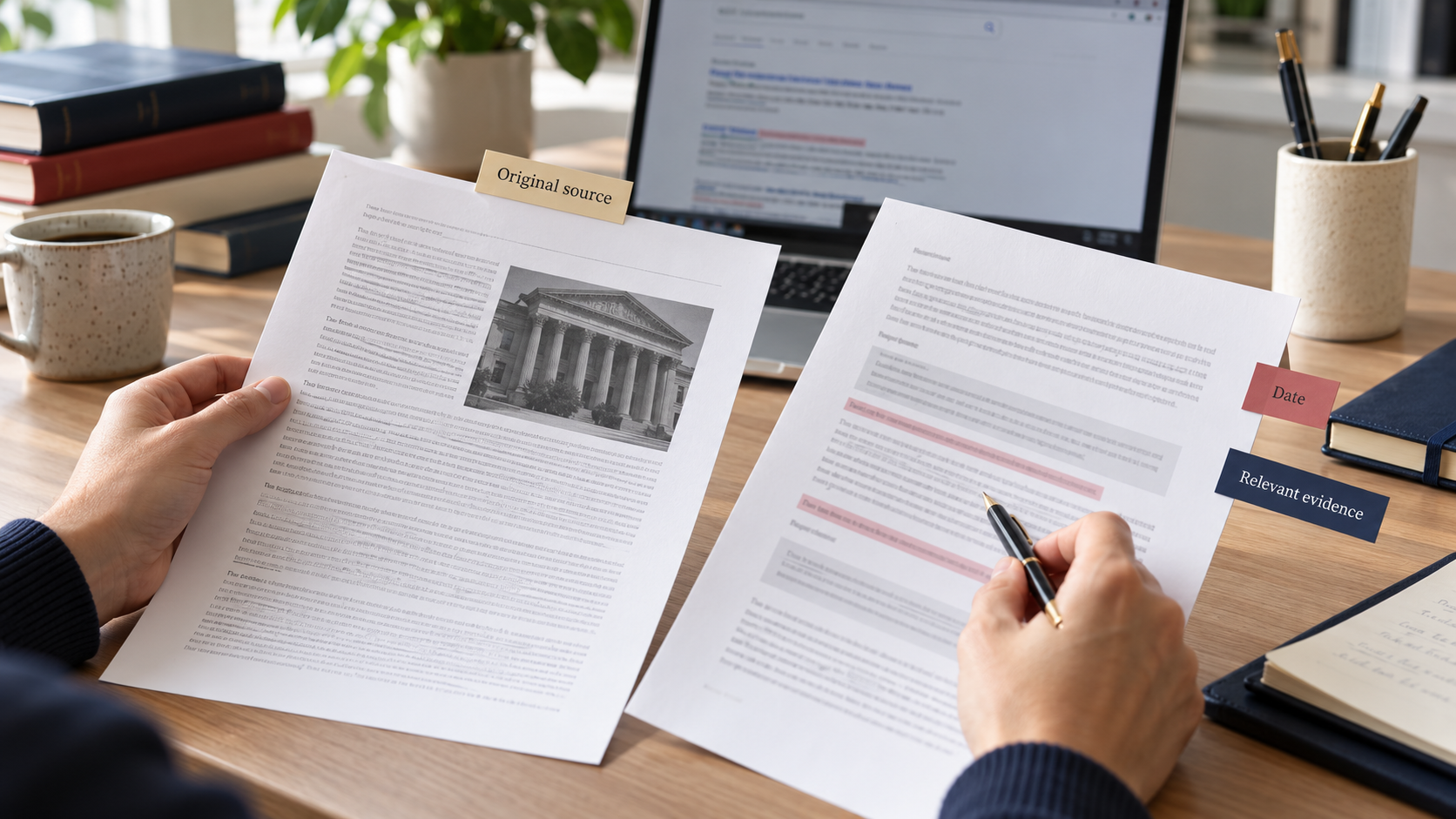
Separate an event date from a publication date and a later update. A page can describe an older event while carrying a recent website timestamp. Conversely, an older document can remain valuable for historical analysis even when it should not be used as a current institutional description.
If a source has been corrected, read the correction and identify what changed. If a report is part of an annual series, verify the edition rather than assuming that the newest-looking search snippet points to the latest report. Keep the title and issuing body in your notes.
When translations are involved, identify whether you are reading an official translation or a third-party rendering. Avoid turning an uncertain translated phrase into a quotation attributed directly to a speaker without checking the original record. Summarise cautiously when precise wording cannot be established.
Compare evidence, not the number of repeated headlines
Several websites can repeat one statement without adding independent reporting. Trace a consequential claim back to its origin. Determine whether later articles contain their own verification or simply reproduce the same announcement.
For data, inspect the period covered and the definitions used. Figures for different years, populations, or geographic areas should not be combined as though they measured the same thing. This guide provides no current economic, population, or security statistics because the query itself does not identify a dataset or question to measure.
For disputed claims, explain who said what and what evidence is available. Do not use the word Iraq in a URL as a shortcut for deciding which account is correct. The reliability of a claim depends on the source and evidence, not the address’s topical appearance.
Keep research within the purpose of the article
A general country-search guide is not a substitute for current travel, medical, or legal advice. If your question concerns an actual journey or official procedure, consult the responsible authority’s current instructions for your circumstances. Older reporting should not be repackaged as present-day practical guidance.
For educational work, make the research reproducible: record the source title, organisation, publication date, and relevant passage. The most useful final answer tells readers what the evidence supports and where uncertainty remains, rather than displaying a long list of loosely connected links.
For related reading, see checking dates on older pages and evaluating the context of a source.
Frequently asked questions
Does inurl:iraq show only Iraqi websites?
No. Any publisher can include the country name in a URL. Check the organisation and the actual source of the information.
Can the query guarantee current news?
No. Verify the event date, publication date, and any updates on the source page. Add a specific subject or event to improve relevance.
Why might an official document be missing?
It may use a numbered address, different language, or different naming convention. Search its title and issuing organisation without the URL restriction.
Is UNAMI the same as all UN work in Iraq?
No. The UN’s January 2026 statement distinguishes the end of UNAMI’s mandate from the UN’s continuing country work.
Sources
UN statement on continued engagement in Iraq, January 2026; United Nations in Iraq: institutional overview; Google Advanced Search filters.
