


The phrase “TheJavaSea.me leaks AIO-TLP371” comes from unverified online chatter, not from any official breach report.
In fact, experts note that the label “AIO-TLP371” appears to be a forum thread tag, not a recognized data breach name.
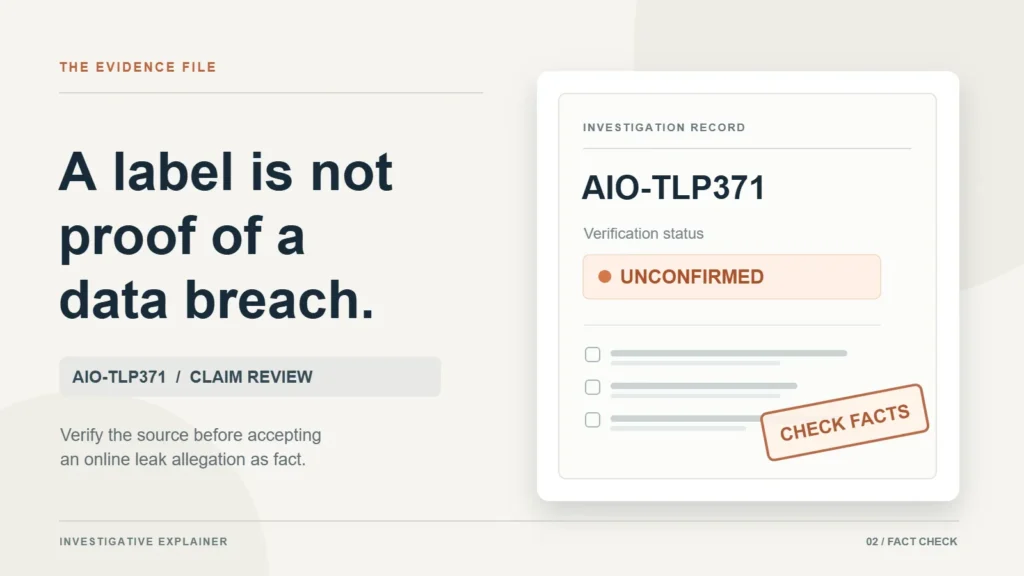
No credible cybersecurity source has confirmed any actual “AIO-TLP371” incident or victim; the available information is speculative and conflicting.
In other words, these claims should be viewed with skepticism.

What is TheJavaSea.me?
TheJavaSea.me is the domain of TheJavaSea – Technology World, an online forum (a XenForo community) where members share technology tips, tools, and assorted “leaks” of digital content.
It is operated by a company called TheJavaSea Ltd. registered in the UK (company number 14181547).
The site is fairly popular – Semrush reports roughly 980,000 visits per month in late 2026 – and focuses on topics like hardware reviews, coding, hacking tools, and user-shared “leaks” (often of private or subscription content).
Despite the questionable nature of some content, ScamAdviser rates TheJavaSea.me as “likely safe,” noting a valid SSL certificate, a long-registered domain (≈4 years old), and high traffic.
User reviews are mixed (Trustpilot shows about 3.0/5 stars), with some praising the community and others warning that it hosts spammy “fake” content.
What do “AIO-TLP371” and similar tags mean?
On the TheJavaSea forum, users prefix certain threads with codes like “AIO-TLP372,” “AIO-TLP370,” etc., as seen in thread titles.
These appear to be arbitrary labels or batch identifiers chosen by forum posters. For example, one thread title is “[AIO-TLP372] One of My Daily #Statewins Snapchats Mixed Leaks…”, which suggests that “AIO-TLP372” is just part of a post name about leaked Snapchat content.
The acronym AIO is often used informally for “All-In-One” in tech communities, but in this context there is no authoritative definition – it seems to simply differentiate posts. Similarly, “TLP” here is unrelated to the formal Traffic Light Protocol (see below).
In short, these alphanumeric codes are likely internal tags for forum posts, not standardized leak names.
Traffic Light Protocol (TLP) – Not Related:
It is important not to confuse “TLP” in these codes with the formal Traffic Light Protocol. In cybersecurity, TLP (by FIRST) refers only to four sharing labels (TLP:RED, AMBER, GREEN, CLEAR) used in threat intelligence.
There is no official designation “TLP370” in that system. The FIRST standard explicitly lists just TLP:RED, AMBER, GREEN, and CLEAR. Thus, “TLP370” on TheJavaSea has nothing to do with FIRST’s TLP; it’s just part of the user-chosen label.
Also Read: RevolverTech Gaming: What’s Verified in 2026
Are these leaks real data breaches?
No reputable evidence ties “AIO-TLP371” (or similar codes) to a confirmed data breach or leak of private data.
All discussions of “AIO-TLP” leaks come from third-party websites or forum chatter, not from official sources or security bulletins. Cybersecurity analysts emphasize that the claims are unverified.
As of late 2026, multiple tech sites reviewing this topic conclude that “AIO-TLP370” (and by extension AIO-TLP371) is best described as an unverified leak identifier – essentially rumor rather than fact.
No company has acknowledged a breach with that name, no regulator has reported it, and no detailed independent investigation has surfaced. In fact, one guide warns against treating repeated online posts as proof of a breach – many sites simply rephrase the same rumor.
Without independent confirmation (such as a public incident report or forensic evidence), these leak labels should be seen as speculative.
Security and Legal Considerations:
Treat any offer to download or access an “AIO-TLP” archive with extreme caution. Unverified leak files can be laced with malware or credential-stealing tools, and downloading or sharing stolen data could be illegal.
Security experts advise not to search for or download such files. As one precautionary FAQ states: “Downloading an unverified archive is not a safe or necessary way to investigate a leak claim.
Unknown files may contain malware, and handling stolen data can create legal and security concerns”.
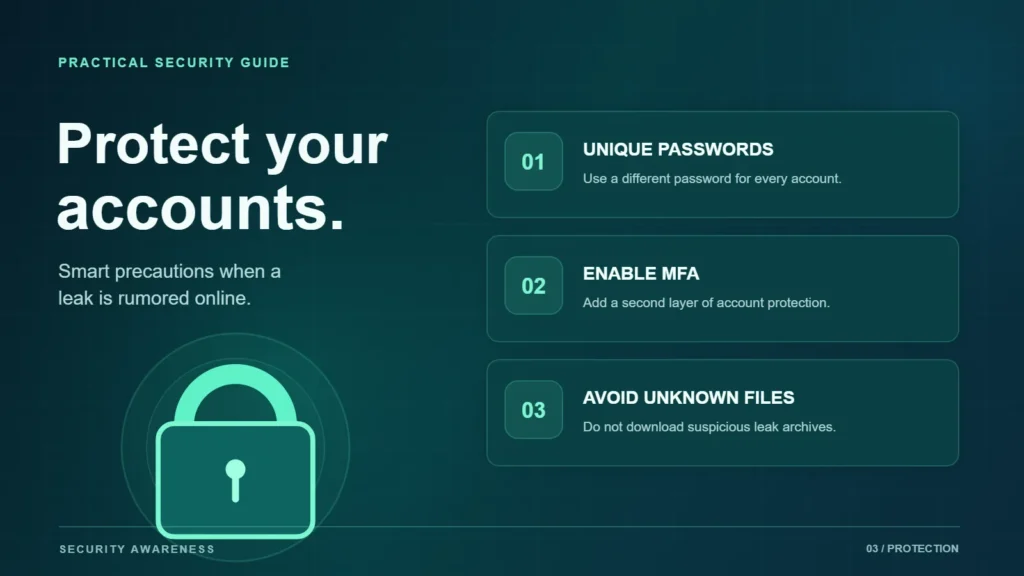
Instead of chasing rumored leak packages, focus on legitimate precautions: review your account security, enable multi-factor authentication, and use unique passwords for different services.
If you’re worried about exposure, use reputable breach-detection services (like haveibeenpwned.com) to see if your email or credentials appear in known breaches.
Remember that having your email in a database is different from a targeted breach of a specific company – it’s more useful to rely on official breach reports than on a vague forum label.
Summary:
In summary, “TheJavaSea.me Leaks AIO-TLP371” is not a confirmed data breach or official leak. It seems to be a forum identifier used by TheJavaSea community.
All available information comes from unverified online discussions, and experts caution that no credible evidence links it to a real incident.
The best course of action is to stay informed through legitimate security channels and ignore any prompts to download mysterious files.
Frequently Asked Questions
What is TheJavaSea.me?
TheJavaSea.me hosts TheJavaSea – Technology World, an online forum for tech topics, reviews, and user-shared content. It is run by TheJavaSea Ltd. (a UK-registered company) and has been active for several years. ScamAdviser currently rates the site as likely safe (highlighting its SSL certificate and domain age). User reviews are mixed (Trustpilot shows a 3.0/5 score).
What does “AIO-TLP371” mean?
It appears to be a label used in a forum thread title on TheJavaSea. The term doesn’t have an official definition. In tech jargon “AIO” often stands for “All-In-One”, but here it just seems part of a user-chosen code. “TLP” is not related to the Traffic Light Protocol; it’s simply part of the tag. In short, it’s an internal identifier, not a recognized security term.
Is the “AIO-TLP371” leak confirmed?
No. All mentions of “AIO-TLP371” come from rumor sites or forum posts. Security analysts note that such names have no confirmed breach status. There’s no evidence of a data breach or victims tied to that code. Claims that many passwords or source code were leaked under that name are unsubstantiated. Treat these reports as speculation unless validated by an independent security investigation.
Are the TheJavaSea “leaks” safe/legal?
Downloading or using leaked content can be risky and potentially illegal. The security community advises not to download unknown leak archives. Files shared in these “leaks” could contain malware or violate copyright and privacy laws. It’s safer to stick to official software and media channels, and to delete suspicious files.
How can I protect myself if worried about a leak?
Use best security practices: ensure all accounts have strong, unique passwords and enable multi-factor authentication. If you suspect any credentials might have been exposed, immediately change them and invalidate old tokens. Check your email on a trusted breach-monitoring site (like Have I Been Pwned) to see if it appears in any verified data breaches. Monitor your financial and email accounts for unauthorized activity, and be wary of phishing attempts that reference “leaked data.”
Sources: Authoritative company registration and security resources were used for this analysis. TheJavaSea’s corporate registration is documented by UK Companies House. Cybersecurity standards about the TLP system come from FIRST.org. Traffic and trust metrics are from Semrush and ScamAdviser. Independent security write-ups (e.g. technology news blogs) highlight that the “AIO-TLP” label is an unverified forum tag, not an official breach name. These and other cited sources form the factual basis of this report.
Also Read: Riproar Tech News: A Comprehensive Look at Riproar’s Tech Platform
