


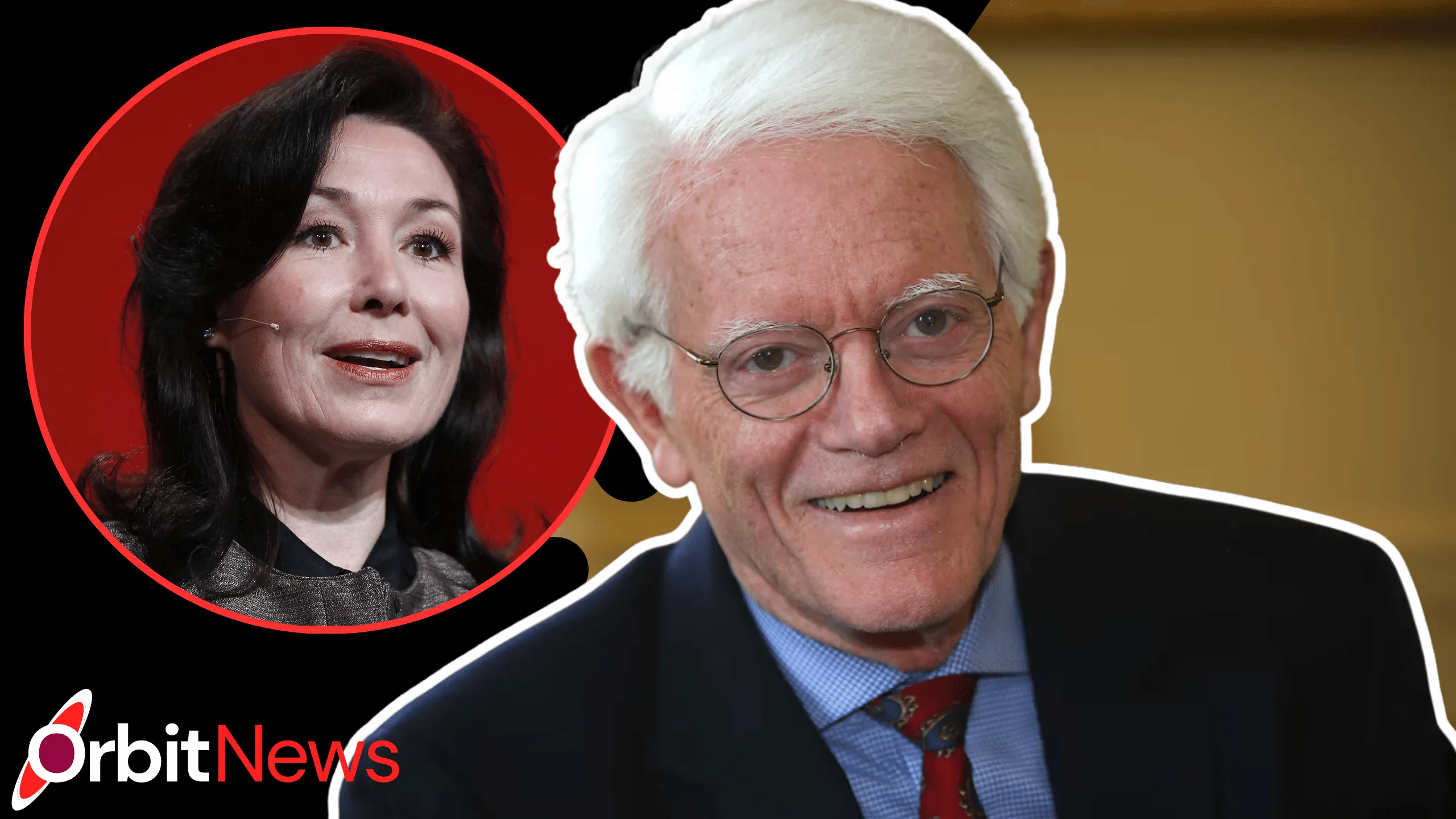
Peter Lynch and Safra Catz are not known to be relatives, business partners, colleagues, or direct professional collaborators. Their clearest verified connection is educational: both are alumni of the University of Pennsylvania’s Wharton School, although they attended in different periods and followed very different careers.
The pairing is still interesting. Lynch became one of the most celebrated mutual fund managers in American investing, while Catz built her career in investment banking, corporate finance, acquisitions, and executive leadership at Oracle. Comparing them shows two very different ways financial analysis can shape major business decisions.
What Is the Peter Lynch and Safra Catz Connection?
The strongest documented connection between Peter Lynch and Safra Catz is the Wharton School of the University of Pennsylvania.
Wharton records identify Peter Lynch as WG’68, meaning he earned his Wharton MBA in 1968. Safra Catz is identified as W’83, L’86, reflecting her 1983 Wharton undergraduate degree and her 1986 degree from the University of Pennsylvania Law School.
They therefore were not classmates. Their Wharton graduations were separated by about 15 years, and available university, Fidelity, Oracle, and regulatory records do not establish that they developed a personal or professional relationship through the university.
| Fact | Peter Lynch | Safra Catz |
|---|---|---|
| Main field | Investment management | Technology and corporate leadership |
| Major organization | Fidelity Investments | Oracle |
| Wharton connection | MBA, 1968 | Undergraduate degree, 1983 |
| Other Penn degree | None relevant to this comparison | Penn Law, 1986 |
| Best known role | Fidelity Magellan Fund manager | Former Oracle CEO, now Executive Vice Chair |
| Direct professional connection | No documented collaboration | No documented collaboration |
Are Peter Lynch and Safra Catz Related?
There is no credible public evidence that Peter Lynch and Safra Catz are related by family.
Authoritative biographies of Lynch focus on his career at Fidelity, his education, investment writing, philanthropy, and the Lynch Foundation. Oracle’s biography of Catz covers her investment banking career, Oracle leadership, board positions, and teaching work. Neither establishes a family relationship between the two.
The shared Wharton affiliation is therefore much more significant than any supposed personal connection.
Who Is Peter Lynch?
Peter Lynch is an American investor best known for managing Fidelity’s Magellan Fund from 1977 to 1990. Fidelity’s historical records confirm his tenure, while Lynch’s own foundation describes Magellan as having significantly outperformed the market during his 13 years in charge.
Lynch was born in 1944. He graduated from Boston College in 1965 and earned his MBA from Wharton in 1968. Before building his long career at Fidelity, he also served in the U.S. Army.
The Magellan Fund Record
Lynch’s performance at Magellan made him one of the most recognizable fund managers of his generation.
Independent historical reporting puts Magellan’s average annual return during his 1977 to 1990 tenure at approximately 29.2 percent. Contemporary and retrospective accounts also show that the fund grew from a comparatively small investment vehicle into one of the world’s largest equity funds.
Fidelity’s own records show that Magellan had only about $20 million in assets when Lynch began managing it in 1977.
His record should still be understood in context. The period included strong equity markets as well as the 1987 crash, and historical investment performance does not imply that the same returns can be reproduced today.
Peter Lynch’s Investment Philosophy
Lynch became associated with the idea of finding opportunities in businesses an investor can understand and then researching those companies carefully.
Fidelity continues to describe his approach as starting with what an investor already knows, but Lynch did not advocate buying a stock simply because someone liked its products. The underlying company still had to withstand fundamental analysis.
He was also associated with growth at a reasonable price, commonly shortened to GARP. The concept attempts to balance a company’s growth prospects against the valuation investors are being asked to pay.
His books, including One Up on Wall Street, Beating the Street, and Learn to Earn, helped bring this style of fundamental stock research to a broader audience. Boston College confirms his authorship of these works and his later philanthropic activities.
What Is Peter Lynch Doing Now?
Lynch no longer manages the Magellan Fund. The Lynch Foundation currently identifies him as its president and as Vice Chairman of Fidelity Management & Research Company.
A substantial part of his post Magellan career has also involved philanthropy and educational causes rather than day to day management of a large public mutual fund.
Who Is Safra Catz?
Safra Catz is a longtime Oracle executive whose career combines investment banking, finance, mergers and acquisitions, operations, and technology leadership.
Before Oracle, she held several positions at investment bank Donaldson, Lufkin & Jenrette, including Managing Director in Investment Banking. She joined Oracle in 1999 and later served in roles including president, chief financial officer, and chief executive officer.
Catz became Oracle CEO in 2014. In September 2025, Oracle announced that Clay Magouyrk and Mike Sicilia would become its CEOs and that Catz would move to the position of Executive Vice Chair of the Board of Directors.
Oracle’s fiscal 2026 annual filing continues to identify her as Executive Vice Chair.
Safra Catz and Oracle’s Acquisition Strategy
One of the most important elements of Catz’s career has been corporate dealmaking and financial discipline.
Wharton credits her with playing a central role in Oracle’s pursuit of PeopleSoft, one of the defining software acquisitions of that period. Oracle later expanded through numerous other transactions as it broadened from database software into applications, hardware, cloud services, and industry specific technology.
Her financial role can be seen directly in Oracle’s acquisition announcements. When Oracle announced its 2009 agreement to purchase Sun Microsystems, Catz publicly discussed the expected earnings contribution and operating profitability of the acquisition.
Oracle used similar financial reasoning when announcing its approximately $9.3 billion NetSuite acquisition in 2016, with Catz stating that Oracle expected the transaction to become accretive to non GAAP earnings during the first full fiscal year after closing.
This helps explain why Catz is often associated not simply with technology management but with capital allocation, acquisitions, integration, and financial execution.
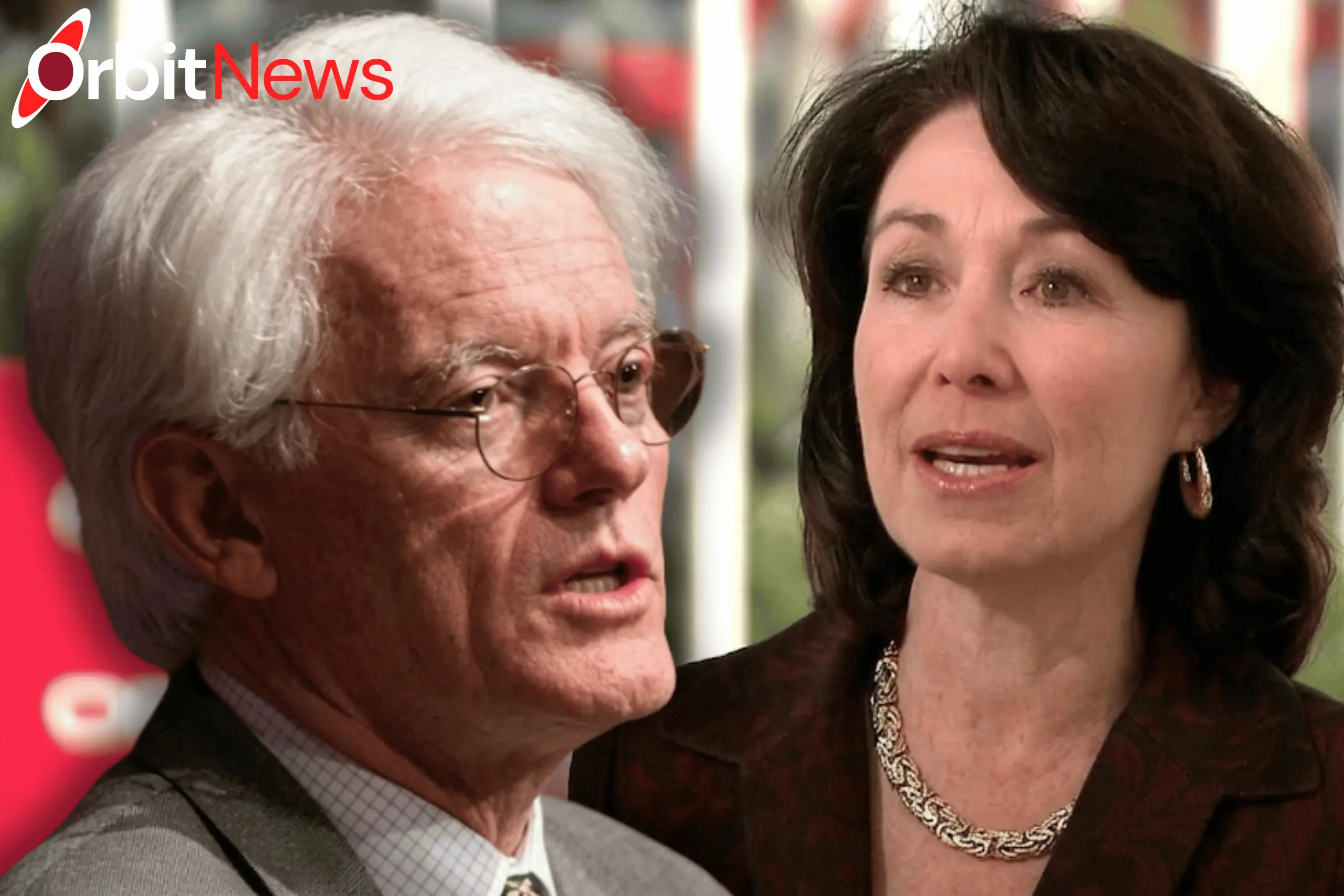
How Peter Lynch and Safra Catz Differ
Lynch and Catz worked on opposite sides of the capital markets.
Lynch’s job was primarily to decide which businesses were worth investing in on behalf of fund shareholders. Catz’s responsibilities involved helping determine how a major corporation should allocate capital, finance growth, acquire companies, control costs, and generate returns for its own shareholders.
That distinction matters.
Lynch Evaluated Companies From the Outside
As a portfolio manager, Lynch could analyze revenue growth, competitive advantages, debt, valuation, customer behavior, earnings prospects, and management quality before deciding whether a stock deserved a place in his portfolio.
If the investment thesis deteriorated, he could reduce or sell the position.
Catz Helped Make Decisions From Inside the Company
Catz faced a different responsibility. Corporate executives cannot simply sell a business whenever operating conditions become difficult.
They must decide whether to invest more, restructure operations, acquire competitors, finance infrastructure, control expenses, integrate acquisitions, or redirect the company toward new markets.
At Oracle, those decisions increasingly involved cloud computing and artificial intelligence infrastructure. Oracle reported fiscal 2026 revenue of $67.4 billion, including $34 billion in cloud revenue, illustrating the scale of the business Catz continues to help oversee as Executive Vice Chair.
Do Peter Lynch and Safra Catz Share Similar Financial Principles?
There are some broad similarities, but they should be treated as comparisons rather than evidence of influence.
Both careers emphasize economic fundamentals rather than attention alone. Lynch became known for studying whether a company’s earnings and valuation supported the investment case. Catz’s public comments around Oracle acquisitions frequently focused on earnings contribution, operating efficiency, integration, and financial returns.
For example, Oracle’s announcement of the Sun Microsystems transaction quoted Catz discussing expected operating profit and the acquisition’s anticipated effect on earnings.
That resembles the kind of fundamental financial question an investor such as Lynch might examine, but there is no evidence that Catz adopted her approach from Lynch.
Did Peter Lynch Influence Safra Catz?
No documented mentor, student, advisory, or professional relationship between Lynch and Catz has been established.
Their Wharton connection makes comparisons understandable, but sharing an educational institution is not evidence that one influenced the other’s career.
Lynch had already finished his MBA in 1968. Catz completed her Wharton undergraduate degree in 1983. Their professional careers subsequently developed in different sectors and institutions.
Any statement that Lynch personally mentored Catz or shaped Oracle’s corporate strategy would therefore require evidence that is not present in the authoritative records reviewed for this article.
Did Peter Lynch Invest in Oracle Because of Safra Catz?
There is no reliable evidence establishing such a connection.
The chronology is particularly important. Lynch stopped managing Fidelity’s Magellan Fund in 1990, while Catz did not join Oracle until 1999. Her Oracle career therefore could not have influenced Lynch’s decisions while he was managing Magellan.
That does not prove Lynch has never personally owned Oracle shares at any point in his life. Personal investments are not necessarily publicly disclosed. It means there is no authoritative evidence supporting a claim that a Lynch investment in Oracle was specifically connected to Safra Catz.
Peter Lynch and Safra Catz on Wealth and Compensation
Claims about the personal net worth of both figures should be handled carefully because online estimates frequently mix stock holdings, compensation, unvested awards, private assets, and assumptions.
Peter Lynch’s Net Worth
There is no recent, authoritative public financial filing that establishes Peter Lynch’s current personal net worth.
Unlike an executive of a public company, Lynch is not required to publish a complete personal balance sheet. Historical media estimates exist, but they should not be presented as a verified current 2026 net worth.
His long career, investment earnings, books, and philanthropy clearly demonstrate substantial financial success, but a precise present day fortune cannot be responsibly established from the available primary records.
Safra Catz’s Compensation and Equity
Oracle provides significantly more information about Catz because the company is publicly traded.
Oracle’s 2025 proxy statement reported that Catz had a $950,000 base salary for fiscal 2025. The company said she received no fiscal 2025 performance cash bonus and no new equity award that year.
The same filing reported large values associated with previously granted performance stock options and unvested equity. Those figures can reach hundreds of millions or more depending on Oracle’s stock price and vesting conditions. They should not be confused with cash salary or with a verified personal net worth.
Why Are Peter Lynch and Safra Catz Searched Together?
The available evidence suggests the pairing is driven primarily by curiosity about a possible connection between two prominent Wharton alumni with major careers in finance and business.
The names fit naturally into several comparison topics:
- Wharton alumni who became major financial decision makers
- investment management versus corporate finance
- stock selection versus corporate capital allocation
- Fidelity versus Oracle
- Lynch’s investment philosophy versus Catz’s acquisition and operating strategy
What the evidence does not support is a hidden family relationship, partnership, mentorship, or documented joint investment venture.
FAQ
Are Peter Lynch and Safra Catz related?
No credible public source establishes a family relationship between Peter Lynch and Safra Catz. Their main documented link is that both attended the University of Pennsylvania’s Wharton School.
Did Peter Lynch and Safra Catz attend Wharton together?
No. Lynch earned his Wharton MBA in 1968, while Catz earned her Wharton undergraduate degree in 1983 and later graduated from Penn Law in 1986.
Did Peter Lynch work at Oracle?
No. Peter Lynch is principally associated with Fidelity Investments, especially the Magellan Fund, which he managed from 1977 to 1990.
Did Safra Catz work at Fidelity?
There is no authoritative record showing that Catz worked for Fidelity. Before joining Oracle in 1999, she worked at Donaldson, Lufkin & Jenrette.
Is Safra Catz still the CEO of Oracle?
No. Oracle announced on September 22, 2025, that Clay Magouyrk and Mike Sicilia would become CEOs and that Catz would become Executive Vice Chair of Oracle’s Board of Directors. Oracle’s fiscal 2026 filing confirms that role.
What is the strongest connection between Peter Lynch and Safra Catz?
Their strongest verified connection is Wharton. Lynch is a Wharton MBA alumnus from 1968, while Catz is a Wharton undergraduate alumna from 1983. There is no documented evidence that this shared educational background developed into a direct professional partnership.
Also Read: Richard Peery and Akio Toyoda
