


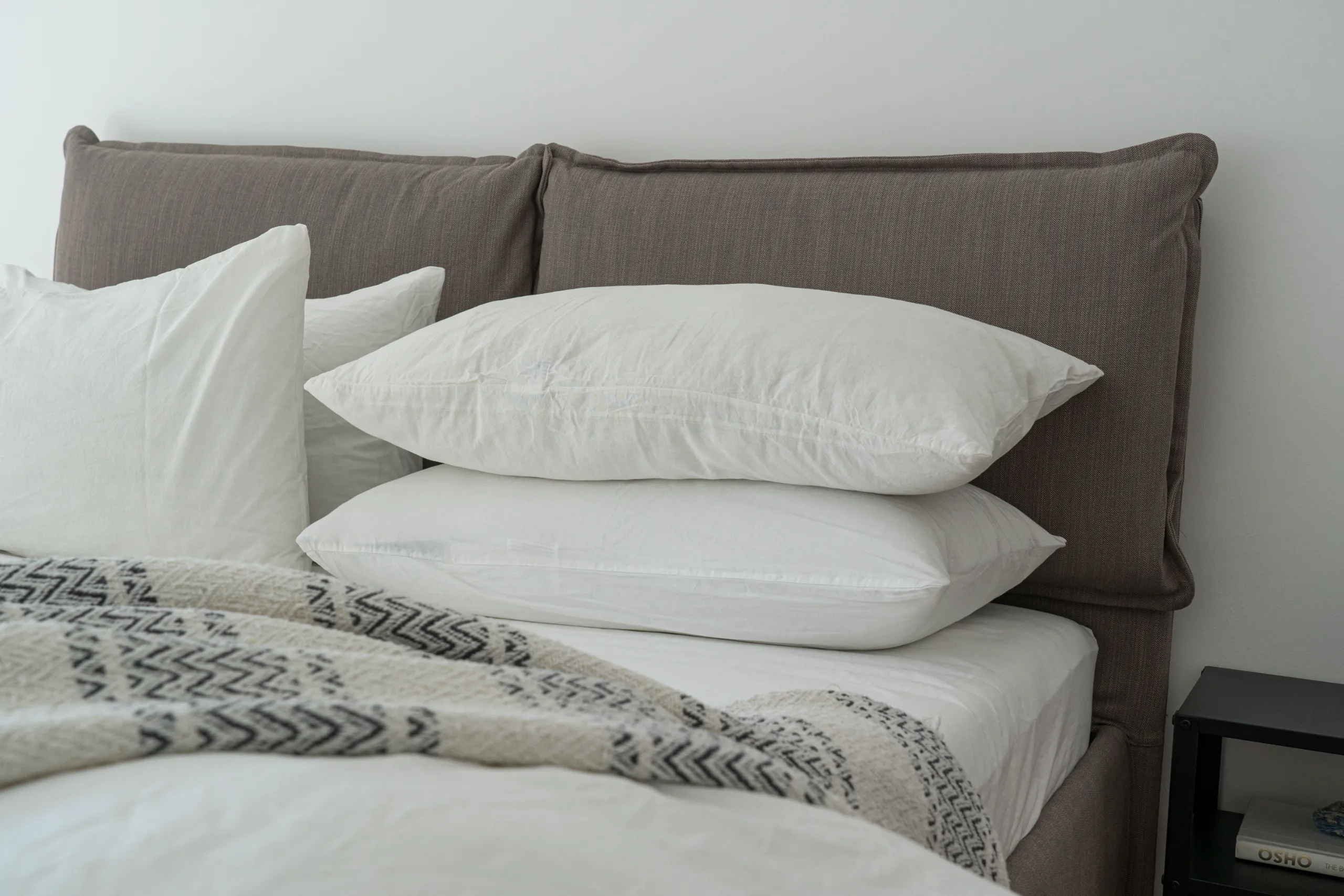
If your mattress has started to feel a little tired, a topper can look like an attractive shortcut. It costs a fraction of a new mattress, arrives quickly and promises a softer or more supportive surface overnight. But can a few centimetres of foam or fibre really bring an ageing mattress back to life?
The honest answer is: sometimes. A topper can make a real difference in the right circumstances, and it can be a waste of money in the wrong ones. Here is how to tell which situation you are in.

What a Mattress Topper Actually Does
A mattress topper is a removable layer that sits on top of your mattress, usually held in place with elasticated corner straps or a fitted skirt. Most are somewhere between about 3cm and 10cm deep.
Its main job is to change how the surface of the bed feels. A topper can make a firm mattress feel softer, add a little cushioning around the shoulders and hips, and in some cases make the bed feel cooler or warmer. Some people also use them to protect a newer mattress from wear.
What a topper cannot do is fix the structure underneath. The deep support of a mattress comes from its springs or core foam. If those have broken down, a topper simply sits on top of the problem.
When a Topper Is Likely to Help
A topper tends to be a worthwhile buy in situations like these:
- Your mattress is too firm. This is the classic case. If the mattress is structurally sound but feels hard, particularly for side sleepers, a softer topper can ease pressure on shoulders and hips.
- The surface feels flat or worn, but there are no dips. Comfort layers often lose some bounce before the core does. A topper can restore a bit of that plushness.
- You need a temporary fix. If a new mattress is on the list but not in the budget for a few months, a topper can make the wait more comfortable.
- You are sprucing up a guest bed or student bed. For a mattress that is only used occasionally, a topper is often a perfectly sensible upgrade.
- You and a partner want a slightly different feel. Some couples find a topper helps soften a mattress that one of them finds too firm, though this works best when preferences are not wildly different.
When a Topper Will Not Fix the Problem
There are also clear signs that your mattress has gone past the point where a topper can help. If you notice any of the following, it is usually time to start looking at replacements instead.
Visible sagging or body impressions. If there is a noticeable dip where you sleep, a topper will usually just sink into it. You may end up with a softer version of the same uncomfortable hollow.
Springs you can feel. Prodding springs, creaking or lumpy patches suggest the internal structure is failing. Adding a layer on top will not stop it getting worse.
Waking up stiff or sore. If you regularly wake with back or neck aches that ease once you are up and moving, the mattress may not be supporting you properly. It is worth noting that persistent pain should be discussed with a GP or physiotherapist, as it may not be down to the bed at all.
Age. Many mattresses are generally considered to have a useful life of somewhere around seven to ten years, depending on quality and use. If yours is well beyond that, a topper is likely to be a short-term patch at best.
Choosing the Right Type of Topper
If you have decided a topper is worth trying, the material makes a big difference to how it feels.
Memory foam moulds closely to your body and is popular for pressure relief. Some people love the “hugging” feel, while others find it retains heat or makes it harder to change position.
Hollowfibre and microfibre toppers feel more like a thick, soft duvet beneath you. They are usually affordable, lightweight and often machine washable, but they can flatten more quickly and add softness rather than support.
Latex is springier and more responsive than memory foam, and tends to sleep a little cooler. It is usually more expensive.
Wool and feather toppers offer a traditional, breathable feel. Wool is often praised for temperature regulation, while feather options suit people who like a plump surface, though they need regular shaking out.
Reading detailed reviews can help you compare how different toppers perform over time rather than just on the first night. For example, you can find the Silentnight mattress topper reviewed in depth, covering comfort, depth and washability, which is a useful benchmark when weighing up mid-priced options from any brand.
Getting the Most From a Topper
A few simple habits will help any topper perform better and last longer:
Match the depth to the job. A thin topper of around 3 to 5cm is usually enough to soften a firm mattress slightly. If you want a more noticeable change, look at 7cm or more.
Use a mattress protector. Placing a protector over the topper helps keep it clean and is far easier to wash than the topper itself.
Rotate and air it. Turning the topper head to foot every few weeks and letting it air when you change the sheets helps it wear more evenly.
Allow foam to expand. Vacuum-packed foam toppers often need a day or so to recover their full shape, and may have a slight smell at first that fades with ventilation.
Conclusion
A mattress topper can be an excellent, affordable way to fine-tune the feel of a mattress that is still structurally sound, particularly one that feels too firm or slightly worn on the surface. What it cannot do is rebuild sagging springs or a collapsed core. Check your mattress honestly for dips, lumps and age before buying, choose a material that suits how you sleep, and treat a topper as a comfort upgrade rather than a cure-all.
