


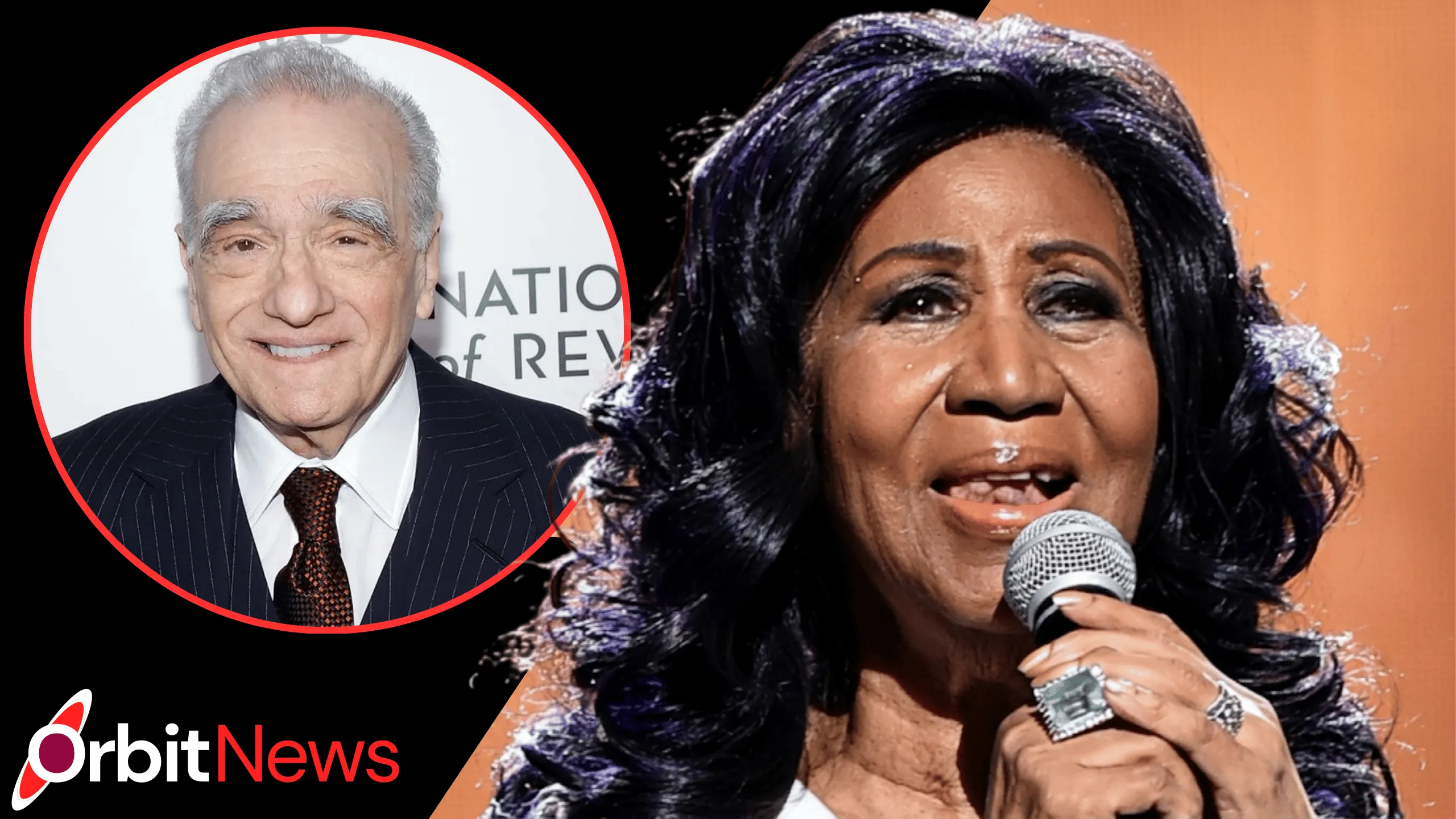
Martin Scorsese and Aretha Franklin are two influential figures in American entertainment, known respectively for their achievements in filmmaking and music. Although both have left a lasting mark on popular culture, their connection is primarily through their contributions to music and cinema, rather than a widely documented personal or professional partnership.
Martin Scorsese is an acclaimed film director whose work includes Taxi Driver, Goodfellas, and The Last Waltz. Aretha Franklin, celebrated as the Queen of Soul, became one of the most important voices in American music through songs such as “Respect,” “Think,” and “(You Make Me Feel Like) A Natural Woman.” Understanding how their careers intersect requires looking at Scorsese’s musical documentaries, Franklin’s recorded legacy, and the role of music in American filmmaking.

Who Are Martin Scorsese and Aretha Franklin?
Martin Scorsese: Born November 17, 1942
An American filmmaker celebrated for crime dramas, character-driven stories, and influential music documentaries.
Aretha Franklin: March 25, 1942 to August 16, 2018
An American singer and pianist whose powerful voice helped define soul, gospel, and R&B music.
Their careers developed in different areas, but both understood the power of performance to communicate emotion, identity, and cultural history. Scorsese has frequently documented musicians and the traditions behind their work, while Franklin’s recordings have become enduring records of American musical life.
Did Martin Scorsese and Aretha Franklin Work Together?
Yes, their careers intersected through Scorsese’s use of Franklin’s music in his films. Two notable examples are Goodfellas (1990), which features her song “Baby I Love You,” and Cape Fear (1991), which uses “Do Right Woman, Do Right Man.” These musical connections are documented in film and music coverage, although they do not establish that Franklin and Scorsese worked together in person.
The distinction matters because people searching for Martin Scorsese and Aretha Franklin may be looking for a collaboration, a shared film credit, or a personal relationship. The strongest verifiable connection is their work appearing together through cinema and recorded music.
Aretha Franklin’s Music in Martin Scorsese’s Films
Scorsese is known for selecting songs that do more than fill silence between scenes. His soundtracks often help establish a character’s personality, reveal an emotional contradiction, or shape the audience’s understanding of a particular moment. Franklin’s recordings offered him a combination of expressive vocals, emotional intensity, and familiar musical themes.
1. “Baby I Love You” in Goodfellas (1990)
Goodfellas, directed by Scorsese and released in 1990, follows Henry Hill’s rise through organized crime and the personal consequences of his involvement in that world. The film is particularly famous for its carefully selected soundtrack, which draws on popular music from several decades. Franklin’s “Baby I Love You” is among the tracks included on the official soundtrack.
The song appears during a sequence involving Henry and his mistress, Janice Rossi, as she shows her friends her apartment. Its romantic lyrics contrast with the dishonesty and instability surrounding the characters. That contrast is characteristic of the film’s musical approach, in which an appealing song can accompany behavior that is far less appealing.
The choice also demonstrates how Franklin’s music could function within a crime drama without being written specifically for it. Her performance carries its own emotional meaning, while the scene gives the song a new context.
2. “Do Right Woman, Do Right Man” in Cape Fear (1991)
Scorsese’s Cape Fear is a psychological thriller starring Robert De Niro as Max Cady, an ex-convict who terrorizes the lawyer he blames for his imprisonment and the lawyer’s family. The film uses music to intensify its threatening atmosphere, and Franklin’s “Do Right Woman, Do Right Man” is one of the songs associated with it.
The song’s message concerns mutual respect and responsibility in relationships. In the film, that message takes on an unsettling dimension because of the threatening character and circumstances surrounding its use. The contrast between the song’s themes and the scene’s menace makes the musical choice especially memorable.
This is an example of how a filmmaker can transform the meaning of a familiar recording by placing it in a different dramatic setting. Franklin’s original performance remains intact, but the film encourages viewers to hear it through the story’s tension.
Why Aretha Franklin’s Music Worked So Well in Scorsese’s Cinema
Franklin’s songs were effective in film because they could communicate several ideas at once. Her music could suggest romance, confidence, vulnerability, strength, or conflict without requiring a character to explain those emotions in dialogue.
Three qualities help explain the appeal of her recordings in Scorsese’s films.
- Emotional contrast: A soulful or romantic song can make a violent or morally troubling scene feel even more disturbing.
- Strong lyrical themes: Songs about love, dignity, and relationships can add meaning to scenes in which characters behave in contradictory ways.
- Cultural familiarity: Recognizable recordings help establish a period and connect fictional characters to the wider world of popular music.
These qualities are not unique to Franklin, but her voice and distinctive interpretations made her recordings especially expressive. In Goodfellas and Cape Fear, the songs contribute to the storytelling rather than serving merely as background entertainment.
Also Read: Peter Woo and Anna Wintour
Martin Scorsese’s Wider Relationship With Music
Scorsese’s interest in music extends well beyond the songs featured in his narrative films. He has directed concert films and documentaries that preserve performances and explore the people and traditions behind them.
One of his best-known examples is The Last Waltz (1978), a concert film documenting the Band’s farewell performance. The production features a range of influential musicians and is widely recognized as a landmark in concert filmmaking.
Scorsese has also explored musical history through documentaries about artists such as Bob Dylan and the blues. These projects show that his interest in music is not limited to finding songs for a screenplay. He has also worked to document musical performances and preserve the cultural stories connected to them.
However, this broader interest should not be mistaken for evidence that he directed a documentary about Franklin. The well-documented connection between the two remains the use of her recordings in his films.
No verified production credit establishes Martin Scorsese as the director of Amazing Grace, the documentary built around Franklin’s historic 1972 gospel recording sessions. The film was directed by Sydney Pollack, with Alan Elliott later completing the project and bringing it to audiences decades after the original footage was shot.
The sessions took place at New Temple Missionary Baptist Church in Los Angeles in January 1972. Franklin performed gospel music with the Southern California Community Choir and other musicians, including Reverend James Cleveland. The recordings became the foundation of her acclaimed live album Amazing Grace.
The film’s release was delayed by technical difficulties involving the synchronization of the original sound and picture, along with legal complications. It eventually reached audiences in 2018, shortly after Franklin’s death, giving viewers an opportunity to experience a remarkable performance that had remained largely unseen for decades.
Although Amazing Grace fits naturally into discussions about Scorsese’s interest in music and concert filmmaking, the available production records identify Pollack and Elliott as its directors. A thematic connection is not the same as a direct professional collaboration.
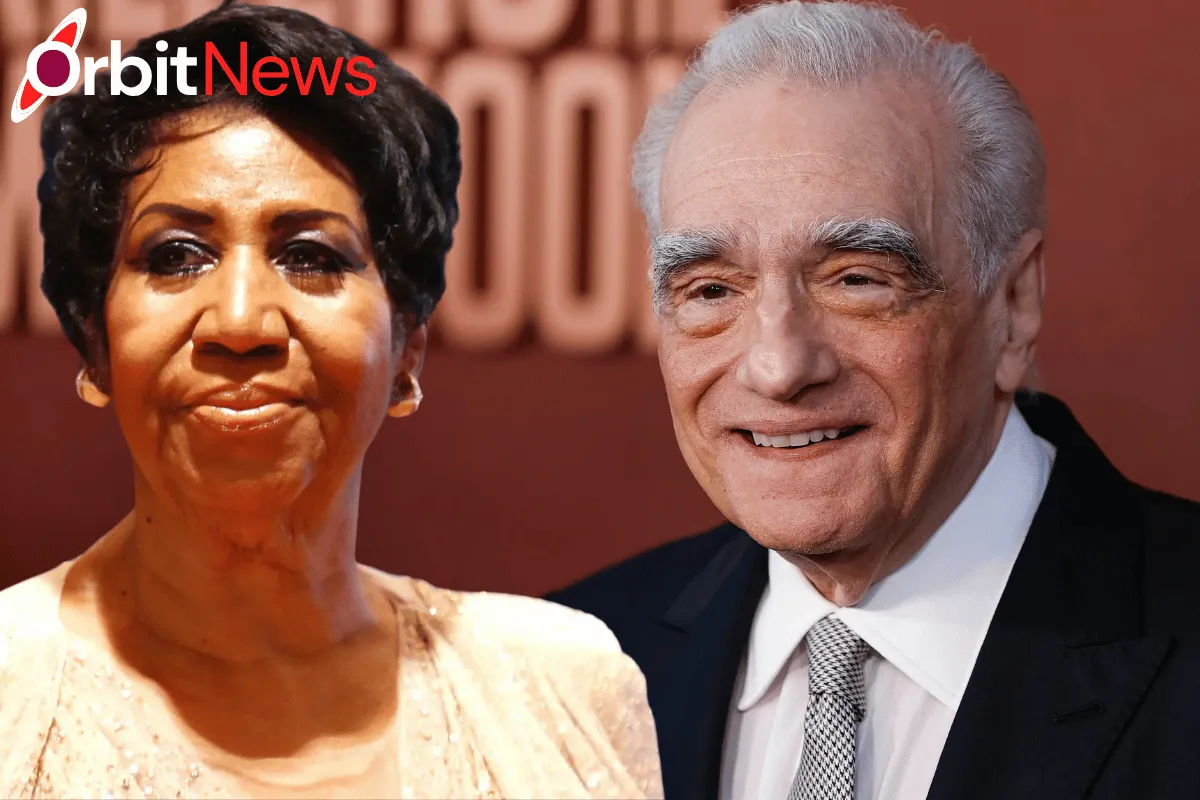
Martin Scorsese vs. Aretha Franklin: Career Comparison
| Category | Martin Scorsese | Aretha Franklin |
|---|---|---|
| Profession | Film director, producer, screenwriter | Singer, pianist |
| Born | November 17, 1942 | March 25, 1942 |
| Best known for | Taxi Driver, Goodfellas, The Departed | “Respect,” “Think,” “Natural Woman” |
| Main artistic field | Cinema | Soul, R&B and gospel music |
| Notable music-related work | The Last Waltz and music documentaries | Amazing Grace and numerous acclaimed recordings |
| Connection to the other | Used Franklin’s recordings in films | Her songs appeared in Scorsese-directed films |
Scorsese and Franklin were born in the same year, but their careers followed different paths. Scorsese became one of America’s most influential filmmakers, while Franklin established herself as one of the defining vocalists of the twentieth century.
Their shared cultural importance comes from the emotional power of their work. Scorsese uses visual storytelling and carefully selected music to build cinematic experiences, while Franklin’s recordings communicate emotion through voice, interpretation, and musical expression.
Did Martin Scorsese and Aretha Franklin Have a Personal Relationship?
There is no sufficiently reliable public evidence establishing a close personal relationship between Scorsese and Franklin. Their work intersected through the use of her songs in his films, but that alone does not prove they were friends, collaborators outside those productions, or regular professional associates.
It is therefore more accurate to describe them as artists whose work intersected through cinema than to suggest a personal connection that public records do not establish. Neither a shared cultural influence nor a film soundtrack credit should be treated as proof of a private relationship.
Frequently Asked Questions
1. Did Martin Scorsese direct an Aretha Franklin movie?
There is no verified credit establishing Scorsese as the director of a film about Franklin. The documentary Amazing Grace, which captures her 1972 gospel recording sessions, was directed by Sydney Pollack and completed by Alan Elliott.
2. Which Aretha Franklin song was featured in Goodfellas?
“Baby I Love You” appears in Scorsese’s 1990 crime film Goodfellas. The song accompanies a sequence involving Henry Hill and his mistress, Janice Rossi.
3. Did Scorsese use Aretha Franklin’s music in Cape Fear?
Yes. Franklin’s “Do Right Woman, Do Right Man” is associated with Scorsese’s 1991 thriller Cape Fear. Its themes of respect and relationships create a striking contrast with the film’s threatening atmosphere.
4. Did Martin Scorsese and Aretha Franklin work together personally?
Their work is connected through the use of Franklin’s recordings in Scorsese’s films. Reliable public sources do not establish a substantial direct collaboration or close personal relationship between them.
5. Who directed Aretha Franklin’s Amazing Grace documentary?
Sydney Pollack filmed Franklin’s 1972 performances, and Alan Elliott later completed the documentary. The film was released in 2018, preserving footage of Franklin performing gospel music with a choir and fellow musicians.
6. Why are Martin Scorsese and Aretha Franklin discussed together?
Their names are linked because Franklin’s music appears in Scorsese’s films, particularly Goodfellas and Cape Fear. Their connection illustrates how a filmmaker’s soundtrack choices can give existing songs new dramatic meaning.
Also Read: Azim Premji and Anna Wintour
