


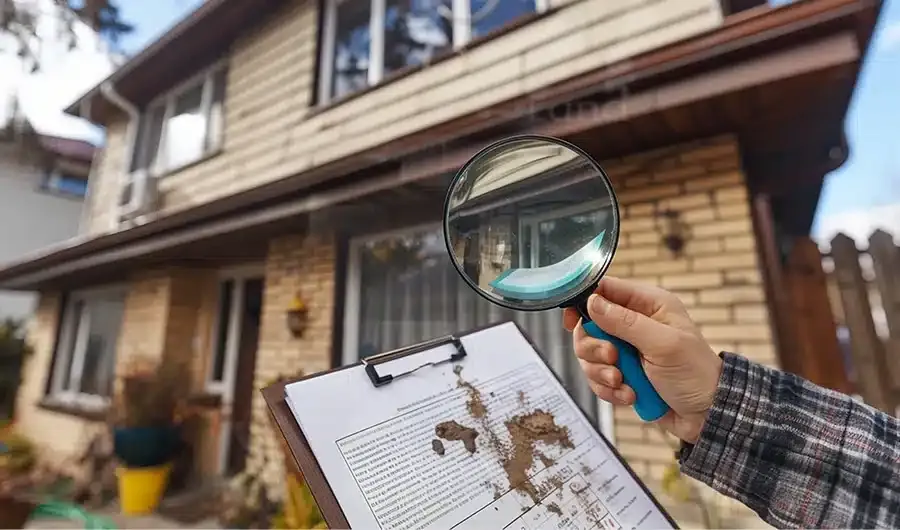
When buying a home, a professional inspection can provide valuable information about the property’s condition before you make a major financial commitment. However, inspection fees can vary depending on several factors, including the property’s size, age, layout, accessibility, and overall condition. Understanding these factors helps buyers plan their budgets more realistically.
The home inspection cost may be influenced by how much time and effort the inspection requires. A larger property with multiple systems and additional features may take longer to assess than a smaller, straightforward home. Knowing what affects pricing can help you compare estimates and choose an inspection service that meets your needs.

1. Property Size Makes a Difference
One of the most common factors influencing inspection pricing is the size of the property. Larger homes generally contain more rooms, fixtures, and systems that need to be reviewed.
For example, a spacious house with several bathrooms, multiple heating and cooling zones, and a large basement may require more inspection time than a compact apartment.
Inspectors need sufficient time to examine accessible areas and document their findings. This additional work can influence the overall fee.
When requesting an estimate, provide the property’s approximate square footage and clarify whether the quoted price includes all relevant areas.
2. The Age of the Property
Older homes can present different inspection challenges from recently constructed properties. Depending on their age and maintenance history, they may contain outdated electrical components, aging plumbing, worn roofing materials, or other features that deserve closer attention.
This does not mean that every older home is problematic. Many older properties are well maintained, while newer homes can also have construction defects.
The important consideration is the time and expertise needed to evaluate the property’s visible condition. If the home has unusual construction features or a history of repairs, ask whether the inspector may need additional time to assess them.
3. Overall Property Condition
A property’s current condition can influence how straightforward an inspection will be. A well-maintained home with accessible systems may be easier to assess than one with visible deterioration or signs of moisture damage.
Inspectors may need to document concerns such as:
- Damaged walls or ceilings
- Visible plumbing leaks
- Deteriorating roofing materials
- Foundation cracks
- Signs of water intrusion
- Poorly maintained heating or cooling equipment
If a concern requires specialized expertise, the general inspection may recommend a separate assessment. Additional evaluations can involve separate fees, so buyers should clarify what is included in the original estimate.
4. Layout and Accessibility
Not every property is easy to inspect. Homes with complex layouts, multiple levels, crawl spaces, detached structures, or difficult-to-access equipment may require additional time.
For example, a property with a large attic or a basement containing several mechanical systems may involve more work than a home with fewer accessible areas.
Accessibility also matters because inspectors generally have to follow safety requirements and cannot assess areas that are unsafe or inaccessible.
Before the appointment, ask the seller or property representative to provide reasonable access to relevant areas, including utility rooms, attics, and garages where appropriate.
5. Location and Local Pricing
Inspection fees can vary by location because labor rates, demand, travel requirements, and local market conditions differ. In areas where qualified inspectors are in high demand, prices may be different from those in less expensive markets.
Travel distance can also affect an estimate, particularly when the property is outside an inspector’s usual service area.
For example, buyers researching Home Inspections Los Angeles County may want to compare local providers and ask whether travel charges, report fees, or additional services are included in their quotes.
Comparing local estimates can help you understand typical pricing without assuming that every property or inspection service will cost the same.
6. Additional Structures and Features
Some properties include features that extend beyond the main living area. These may include detached garages, guesthouses, workshops, swimming pools, or extensive outdoor structures.
The inspection scope matters because not every feature is automatically covered by a standard home inspection.
Ask the inspector which structures and components are included in the quoted fee. If a separate structure needs an independent assessment, you may need to arrange an additional service.
Clarifying the scope beforehand can help prevent misunderstandings and make budgeting easier.
7. Specialized Inspections May Add Expenses
A general home inspection provides an overview of visible conditions, but it does not replace every specialist evaluation. Depending on the property, buyers may consider separate assessments for particular concerns.
Examples include:
- Radon testing
- Termite or pest inspections
- Sewer line evaluations
- Mold assessments when warranted
- Structural engineering reviews
- Roof-specific evaluations
These services may require specialized equipment, additional training, or more detailed testing. Their prices depend on the type of assessment and the property’s circumstances.
Ask whether the general inspector recommends further investigation and whether the specialist’s fee will be separate.
8. Compare Estimates Carefully
When comparing inspection providers, avoid choosing solely on price. A lower quote may cover a different scope of work or exclude services offered by another provider.
Ask each inspector:
- What areas and systems are included?
- How long is the appointment expected to take?
- Will a written report and photographs be provided?
- Are there additional travel or service fees?
- What happens if an area cannot be accessed?
Reviewing these details can help you compare estimates fairly and understand the value of the service.
9. Plan Ahead for Inspection Expenses
Inspection fees should be included in your homebuying budget alongside other transaction expenses. Request estimates early enough to compare providers and arrange any additional assessments before important purchasing deadlines.
Remember that an inspection fee is separate from the cost of repairing any issues discovered. If the report identifies concerns, you may need additional estimates from qualified contractors to understand potential repair expenses.
Planning for both the inspection and possible follow-up work can help you make a more informed purchasing decision.
Conclusion
Property size, age, condition, accessibility, location, and inspection scope can all influence inspection expenses. By requesting clear estimates, comparing services, and budgeting for specialist assessments when needed, buyers can avoid surprises. Careful preparation helps you understand the property’s condition and make more confident decisions before completing a home purchase.
