


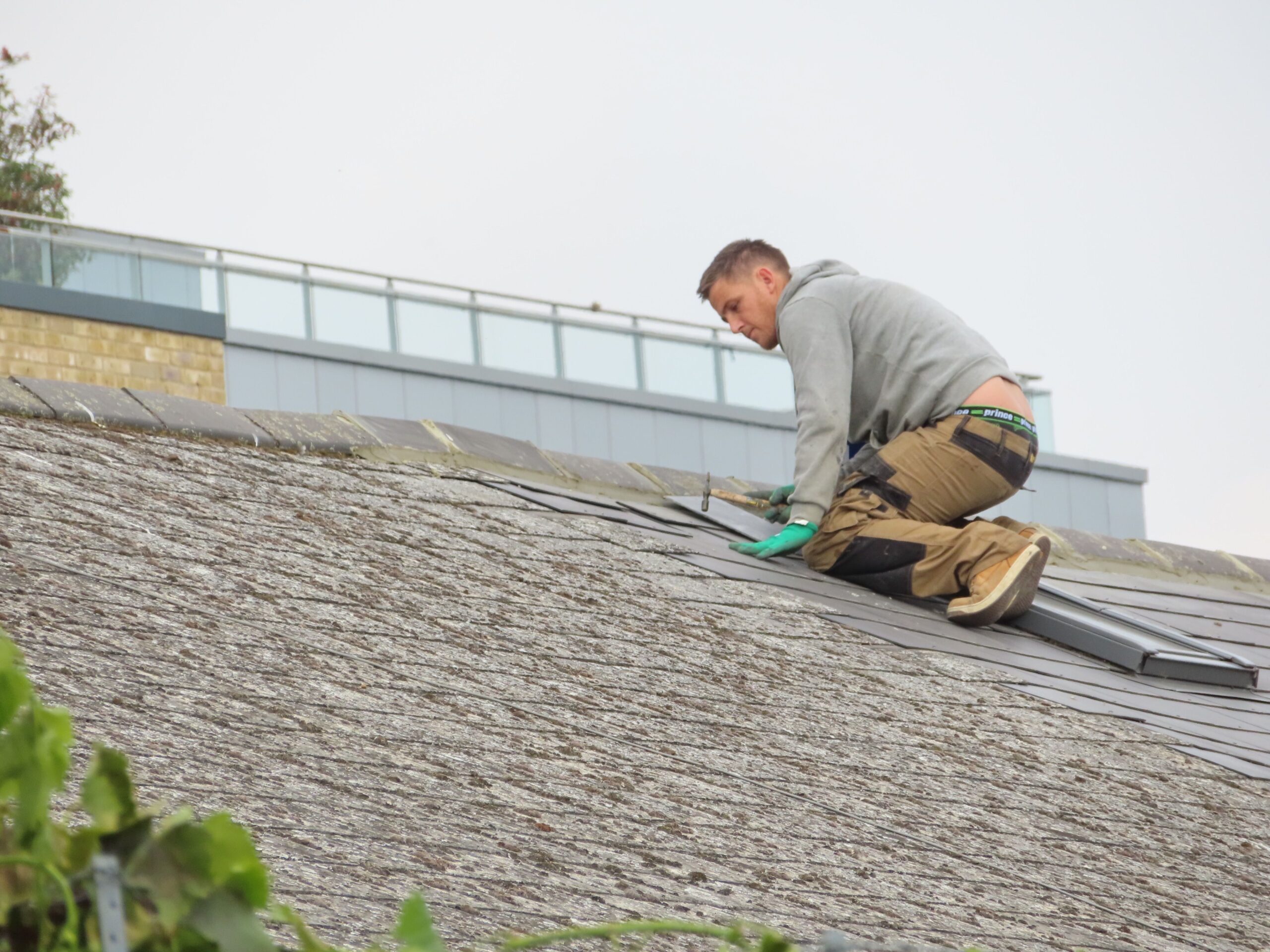
Roof installation is one of the most important projects for any home or commercial property. A properly installed roof protects the building from rain, wind, heat, and other weather conditions while also improving energy efficiency and overall appearance. Whether you are building a new property or replacing an old roof, understanding the installation process helps you make better decisions and avoid costly mistakes.
The first step in roof installation is choosing the right roofing material. Common options include asphalt shingles, metal roofing, clay tiles, concrete tiles, slate, and synthetic roofing products. Each material has different costs, durability levels, maintenance needs, and visual styles. Asphalt shingles are popular because they are affordable and easy to install, while metal roofs are known for long service life and strong weather resistance. The best choice depends on your budget, local climate, building design, and expected maintenance.
Before installation begins, the existing roof structure should be inspected carefully. The contractor checks the roof deck, framing, ventilation, flashing, and drainage system. Any damaged or weak areas must be repaired before new roofing materials are installed. If the old roof is being replaced, the existing shingles or tiles are usually removed so the roof deck can be examined properly.
A waterproof underlayment is then installed over the roof deck. This layer provides extra protection against moisture and helps reduce the risk of leaks. In areas where heavy rain or snow is common, contractors may also install an ice and water shield around roof edges, valleys, chimneys, and other vulnerable sections. Proper underlayment is an important part of a durable roofing system.
The roofing material is installed after the preparation work is complete. Shingles, panels, or tiles must be positioned according to the manufacturer’s instructions. Correct spacing, fastening, overlap, and alignment are essential. Poor installation can lead to loose materials, water leaks, premature wear, and expensive repairs. Flashing is also added around vents, skylights, chimneys, and roof joints to prevent water from entering the building.
Roof ventilation is another important part of the installation process. Good ventilation allows hot and moist air to escape from the attic. This can help control indoor temperatures, reduce moisture buildup, protect insulation, and extend the life of roofing materials. Ridge vents, soffit vents, and other ventilation systems may be used depending on the roof design.
Safety should always be a priority during roof installation. Roofing work involves heights, heavy materials, sharp tools, and changing weather conditions. Professional roofers use safety equipment such as harnesses, ladders, roof anchors, and protective footwear. Homeowners should avoid attempting complex roofing work without proper training and equipment.
The cost of roof installation varies depending on roof size, pitch, material, labor rates, removal of the old roof, and structural repairs. Premium materials usually cost more upfront but may last longer and require less maintenance. Homeowners should request detailed estimates from reputable roofing contractors and compare warranties, materials, labor, and project timelines before making a decision.
After installation, the roof should be inspected to confirm that all materials, flashing, vents, and drainage components are properly installed. Regular maintenance is also important. Gutters should be cleaned, damaged shingles should be repaired, and the roof should be checked after severe storms.
A professional roof installation can protect a property for many years. Choosing suitable materials, preparing the roof correctly, hiring experienced installers, and maintaining the finished roof can help prevent leaks, improve comfort, and protect the value of the building. It is also wise to keep installation records, warranty documents, and contractor details so future inspections, repairs, and insurance claims can be handled efficiently.
